Ocean Freight Rates After the Peak Season: Booking Rhythm and Cost Control for Shanghai Exports
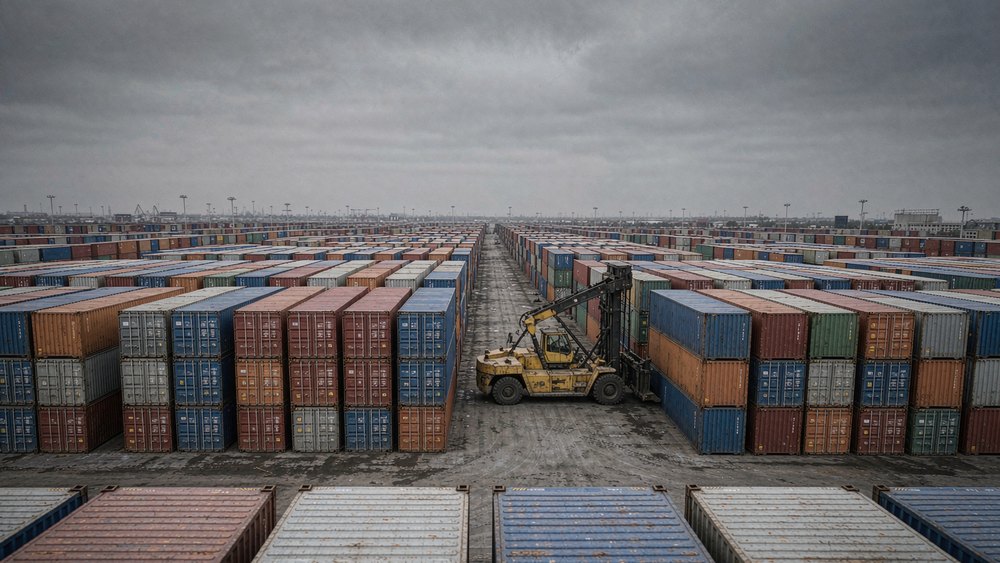
Every ocean freight peak season brings tight space and soaring rates, and shippers often pay a premium just to secure a slot. Once the peak passes, how do rates correct, when is the right time to book, and how should costs be managed? This guide walks through the rate outlook and booking strategy for Shanghai export ocean freight after the peak, helping shippers get the most from every freight dollar.
1. Reading the Rate Trend After the Peak
Ocean freight rates are driven by supply and demand. During the peak, concentrated cargo volumes strain capacity and push rates up; after the peak, volumes ease, space loosens and rates move into a downward channel. But the correction is not one big drop — it happens gradually by lane and by carrier, with some hot lanes seeing short-lived rebounds. The job for shippers is to watch rate movements on key lanes and catch the rhythm of the correction.
2. Booking Rhythm for Shanghai Export Ocean Freight
Booking rhythm directly decides cost. The transition period right after the peak — before rates fully settle — is a window to lock in next-quarter capacity, when carriers offer attractive long-term rates to fill space. For Shanghai exporters with steady volumes, a monthly or quarterly contract beats booking shipment by shipment, locking in both space and rate. A Shanghai freight forwarder familiar with each carrier’s capacity and pricing can help time bookings precisely.
3. Rate Composition and Cost Control
Shanghai export ocean freight is more than just the base freight. It typically includes terminal handling charges, documentation fees, customs clearance fees and trucking, plus peak-season surcharges such as peak season surcharge, bunker adjustment factor and low-sulphur surcharge. A low headline rate does not mean low total cost — surcharges are the hidden costs most often overlooked. Shippers should ask forwarders to itemize every charge and compare all-in quotes.
4. Pitfalls When Booking After the Peak
First, beware ultra-low rates — after the peak some space is quoted extremely cheaply to attract cargo, but schedules are unstable and rollover risk is high. Second, confirm cut-off times — sailings adjust frequently after the peak and missing a cut-off disrupts the whole shipment. Third, verify destination charges — on some lanes the freight is low but destination fees are high, making the total cost higher. A Shanghai international freight provider lays out the sailing, space and charges clearly before booking.
5. Choosing the Right Shanghai Freight Forwarder
Look at three things: capacity resources (can they secure stable space in peak season), expertise (can they design a suitable plan by cargo type, destination and lead time), and transparency (are quotes clear and free of hidden charges). YINGSHANG has years of experience in Shanghai trade logistics, offering one-stop Shanghai international freight, ocean freight forwarding, customs clearance and final-mile delivery.
YINGSHANG Freight Tip: Post-peak ocean freight is about judging the rate rhythm and timing bookings well. YINGSHANG provides one-stop Shanghai export booking, ocean freight forwarding and customs clearance to help shippers lock in better costs during the rate correction. Call 189-1692-3020.
Author: YINGSHANG Editorial Team
Reviewed: · Source: Shanghai Yingshang Car Rental Co., Ltd.
The YINGSHANG Editorial Team is the official content team of Shanghai Yingshang Car Rental, responsible for curating international logistics, import customs clearance and supply chain content, and for verifying pricing and reviewing content.
Freight rates, service and process details in this article were reviewed and updated by the YINGSHANG Editorial Team on 2026-09-22. International logistics prices fluctuate with the market and are subject to the day's quote; call 189-1692-3020 for the latest plans and rates.