Booking LCL Groupage from Shanghai: When a Part Container Beats a Full One
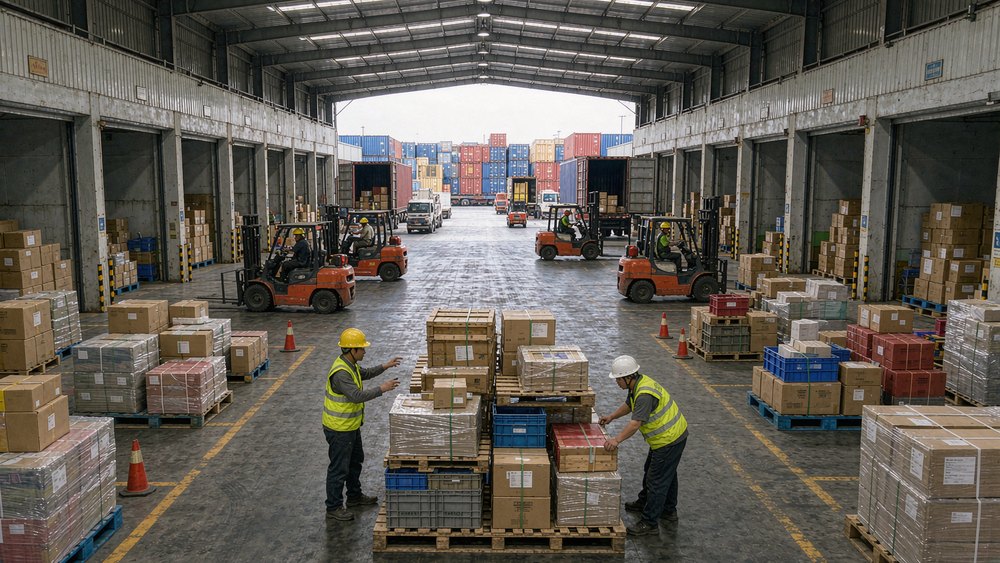
Shipping less than a full container is the normal state of business for most exporters. A forty-foot high cube goes out half empty and the shipper pays air freight rates for empty space; switch to air and the tariff climbs steeply. That middle ground is LCL — less than container load, groupage, consolidation. It sounds simple: deliver the cargo to a warehouse, share a box with other shippers, sail. In practice the details matter enormously — whether you are charged by volume or by weight, when cargo must reach the warehouse, how lightweight cargo is quoted, and what charges await the consignee at destination. Whether an LCL booking out of Shanghai goes well is usually decided at the quotation stage.
1. Choosing Between LCL and FCL
The test is volume and how well it fills a box. The working rule of thumb runs near fifteen cubic metres: below that, LCL is usually the better buy; between fifteen and twenty, cargo value, transit time and cargo type have to be assessed shipment by shipment; above twenty, FCL almost always wins on unit cost, especially for dense cargo. Three variables sit alongside volume. Transit time — groupage waits for other cargo and for the consolidation, running several days to a week slower than a dedicated container. Cargo type — oversized, heavyweight or special-handling freight may not be accepted at a groupage warehouse at all. And shipment cadence — when one order moves in several waves, LCL offers flexibility a full container cannot. Serious Shanghai international freight operations look at volume first, these three second, and then present both routings side by side.
2. How LCL Is Charged
The unit of account in groupage is either cubic metre or tonne, whichever is greater — the chargeable ton. Lightweight cargo is rated on volume, dense cargo on weight, and mixed light-and-heavy shipments are usually assessed separately. Costs fall into four blocks: ocean freight plus origin port charges at the loading end; export customs clearance and documentation; destination deconsolidation, handling and storage; and any demurrage or detention that arises. Destination charges are the most commonly overlooked of the four, because they are levied by the destination agent under its own tariff. If nobody asks during quotation, the consignee may receive a bill nobody budgeted for. A Shanghai freight forwarder worth using lists origin and destination charges separately — that separation is the baseline of professionalism in groupage.
3. Consolidation, Warehouse Delivery and Cut-Off Dates
Groupage runs on fixed schedules and its deadlines are harder than FCL's. The chain reads: booking confirmed with a sailing date, cargo delivered to the designated consolidation warehouse, warehouse tally and palletising and labelling, documentation cut-off, container stuffed and loaded. Two milestones deserve a shipper's full attention. The cargo cut-off — the deadline to be inside the warehouse, usually several hours before documentation closes; miss it and the shipment waits for the next sailing. And the documentation cut-off, by which all customs paperwork must be complete. In practice, warehouse delivery is what slips most often: half a day of production delay downstream turns into a full week of sailing delay upstream. Work backwards from the sailing date, put the factory release date, inland transit and warehouse cut-off into one plan, and hold at least one working day of buffer. Teams handling groupage within Shanghai import-export logistics live or die by these dates.
4. Declaring Lightweight Versus Heavy Cargo
Before quoting LCL, two figures must be confirmed — gross weight and volume — plus whether the cargo stacks. Lightweight cargo occupies space without weight: it is quoted by volume, but the warehouse cares whether it can be stacked. Dense cargo occupies weight without space: it is quoted by tonne, and the warehouse's single-piece weight limit and forklift capacity apply. Misdeclaration is the cardinal sin of groupage. Under-report volume and the consolidation comes up short, forcing emergency cargo. Under-report weight and the container's stow plan loses balance — which carriers can refuse, or surcharge. Rolled shipments caused by misdeclaration are not rare in Shanghai export logistics, and the overwhelming majority begin with a rough guess instead of a measurement.
5. Charges and Traps People Miss
First, destination charges — deconsolidation and handling fees in particular, which can approach the ocean freight itself in magnitude. Second, compatibility restrictions: foodstuffs, chemicals and battery-containing goods generally cannot share a container with general cargo, and this must be confirmed before cargo is accepted. Third, free storage and container detention at destination: LCL free time is typically shorter than FCL, and a consignee who delays collection keeps paying. Fourth, transshipment and house bills of lading — some groupage routings relay through a hub, arriving later than a direct sailing, so tight delivery deadlines need extra margin. Explaining all four up front saves far more time than explaining them afterwards.
6. How to Choose an LCL Partner
Three tests. Route coverage and sailing frequency: whether the destination has steady consolidation and how many sailings a week decides transit time. Whether quotes are split origin and destination — a forwarder who publishes both is usually more reliable than one advertising a single headline rate. And exception handling: when a rollover, inspection or amendment happens, can a plan be produced immediately? YINGSHANG has spent years in Shanghai international freight, offering one-stop LCL groupage, FCL booking, air freight and import-export customs clearance — charges split across both ends, documentation pre-checked, milestones reported proactively.
YINGSHANG Freight Tip: Groupage in three steps — verify volume and weight first, confirm charges at both ends second, work backwards from the sailing date to fix the warehouse cut-off third. Lightweight cargo by volume, dense cargo by weight, and declared figures that are always true. YINGSHANG provides one-stop LCL groupage out of Shanghai, freight forwarding and customs clearance; share your shipping schedule early. Call 189-1692-3020.
Author: YINGSHANG Editorial Team
Reviewed: · Source: Shanghai Yingshang Car Rental Co., Ltd.
The YINGSHANG Editorial Team is the official content team of Shanghai Yingshang Car Rental, responsible for curating international logistics, import customs clearance and supply chain content, and for verifying pricing and reviewing content.
Freight rates, service and process details in this article were reviewed and updated by the YINGSHANG Editorial Team on 2026-09-30. International logistics prices fluctuate with the market and are subject to the day's quote; call 189-1692-3020 for the latest plans and rates.