Shipping Temperature-Controlled Cargo from Shanghai: Reefer Booking, Set Points and Documentation
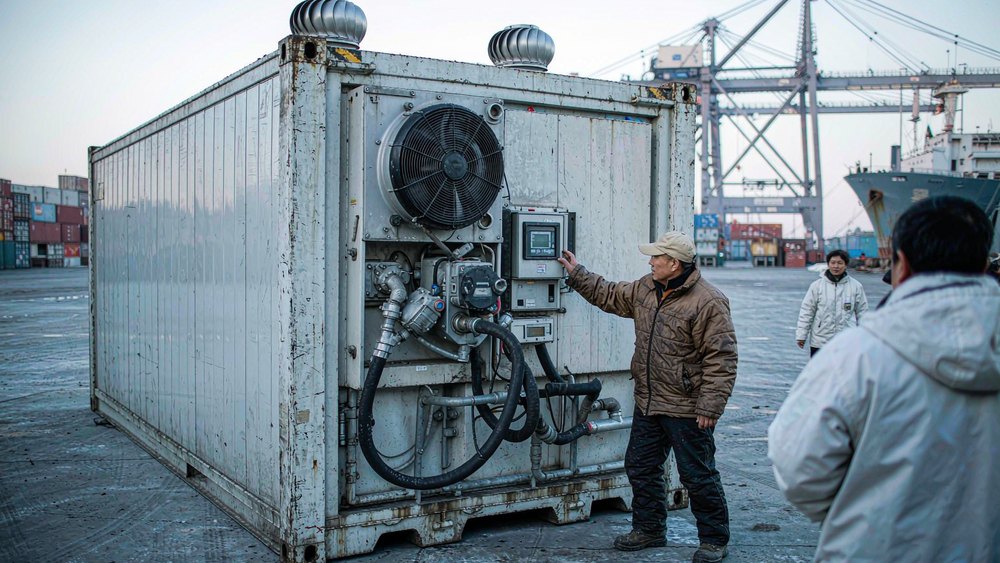
Fresh produce, frozen goods, chocolate, certain pharmaceutical ingredients and fine chemicals all need a constant thermal environment in transit, and they travel in refrigerated containers — reefers. Booking one looks much like booking a dry box: nominate a container type, pick a sailing, deliver to the terminal. What actually decides whether the shipment is still saleable on arrival is rarely the sailing date. It is whether the set point was right, whether the container was pre-cooled, and whether the power supply was ever interrupted. Most cold chain claims out of Shanghai, traced back, are not arguments about freight rates — they are a link in the temperature chain that came loose.
1. Which Cargo Genuinely Needs a Reefer
Three groups. True cold chain cargo — frozen meat, seafood, quick-frozen foods, dairy — normally held at minus 18 degrees Celsius or lower and never allowed to cycle up and down. Temperature-controlled cargo — chocolate, wine, cosmetics, some pharmaceutical ingredients — which suffers from both heat and frost, sits in a narrow band often between 2 and 20 degrees, and must avoid sharp swings. And moisture-sensitive cargo — certain paper products and precision instruments — where the variable to control is humidity rather than temperature, better served by a controlled-humidity container or a reefer with ventilation. Which group your goods fall into is answered by the storage conditions on the product label and the acceptance criteria in the customer contract, not by a guess.
2. Booking: Container Type and Set Point
Reefers are mostly 20-foot and 40-foot high cube. A 20-foot reefer carries less but holds temperature more stably, which suits high-value, low-volume temperature-controlled cargo; a 40-foot high cube reefer suits bulk frozen goods. When booking, confirm three things with the carrier: equipment availability, the achievable set point range, and whether ventilation or humidity control is fitted. Lower is not better — an unnecessarily low set point keeps the compressor at full load for long periods, widens the internal differential, and raises both energy consumption and failure risk. The correct approach is to take the mid-point of the cargo's safe storage band and allow one to two degrees of tolerance, rather than defaulting to the minimum. In practice, frozen cargo is set at minus 18 and temperature-controlled cargo at the mid-point of the customer's specified band, with the container pre-cooled before loading.
3. Pre-Cooling, Loading and Power Supply
The main operational difference from a dry container is pre-cooling. A dry box can be loaded on arrival; a reefer must first be powered up and brought down to the set point, and only then filled. Load warm cargo into a chilled container and the unit must spend a long time afterwards pulling the core temperature of the whole consignment down — a period during which the temperature curve is effectively out of control, and precisely the part a consignee is most likely to examine. Loading also demands attention to stowage: leave channels for air circulation, keep cargo off the container walls and never block the return air grille. Between stuffing and loading aboard, the container sits in a terminal or yard and needs continuous power, so the handover must leave the operator or depot with an explicit power requirement and a record of it. A short power loss is the most common hidden failure in the cold chain — twenty minutes shows up on the temperature log as an unmistakable spike.
4. Temperature Records and Documentation
The reefer's data logger is the flight recorder for the consignment. Before dispatch, confirm that its start time, sampling interval and measurement range all meet requirements; switch it on at stuffing and leave it running until delivery, with data exportable at destination. Beyond the usual customs paperwork, temperature-controlled shipments normally require health or sanitary and phytosanitary certificates, a certificate of origin, and any quality or temperature declaration the customer contract calls for. Import requirements for food, meat and seafood vary sharply by destination, and some demand an import permit or a registered overseas establishment number arranged weeks or months in advance. That preparation has to start before the booking, not be back-filled once a sailing is fixed. Cold chain teams in Shanghai international freight routinely send the document checklist alongside the sailing options for the customer to confirm together.
5. Cut-Offs and the Traps People Miss
The timeline is tighter than for general cargo: pre-cooling starts earlier, terminal delivery starts earlier, cut-offs stand as usual, and continuous power must be assured from loading through departure. Several traps recur. Odour transfer — seafood, garlic products, coffee and spices, even at a matching temperature, should not share a box with dairy or chocolate. Reefers treated as dry boxes, with cargo stuffed into an un-chilled unit, which any temperature log will expose. Free power time at the depot, which nobody asked about and which is charged per day once exceeded. And destination inspection, where an over-long container opening lets the internal temperature climb — a liability split that belongs in the contract in advance. Aligning all of this with the customer beforehand saves far more time than arguing about it at destination.
6. How to Choose a Cold Chain Partner
Three tests. Whether reefer equipment and the right container types are reliably available — reefers are not an everyday item and tighten badly in peak season, so the ability to lock equipment early is decisive. Whether the operator understands temperature parameters, able to discuss what set point to use, whether ventilation is needed and how to stow, rather than only quoting a rate. And exception response: when a power loss, inspection, rollover or re-stow happens, can a plan be produced immediately and put in writing, which is what determines how liability is later split. YINGSHANG has spent years in Shanghai international freight, offering one-stop reefer booking, refrigerated container transport, FCL and LCL ocean freight, air freight and import-export customs clearance — temperature parameters and document checklists confirmed up front, exceptions reported proactively.
YINGSHANG Freight Tip: Reefers in three steps — fix the cargo storage band and set point first, confirm pre-cooling and continuous power second, verify the temperature log and accompanying documents third. Frozen and temperature-controlled cargo follow different setting logic, and stowage must always leave air circulation channels. YINGSHANG provides one-stop temperature-controlled exports out of Shanghai, freight forwarding and customs clearance; share your cold chain plan early. Call 189-1692-3020.
Author: YINGSHANG Editorial Team
Reviewed: · Source: Shanghai Yingshang Car Rental Co., Ltd.
The YINGSHANG Editorial Team is the official content team of Shanghai Yingshang Car Rental, responsible for curating international logistics, import customs clearance and supply chain content, and for verifying pricing and reviewing content.
Freight rates, service and process details in this article were reviewed and updated by the YINGSHANG Editorial Team on 2026-10-01. International logistics prices fluctuate with the market and are subject to the day's quote; call 189-1692-3020 for the latest plans and rates.