When a Shanghai Export Is Flagged for Customs Inspection: Types, Documents and Timeline Control
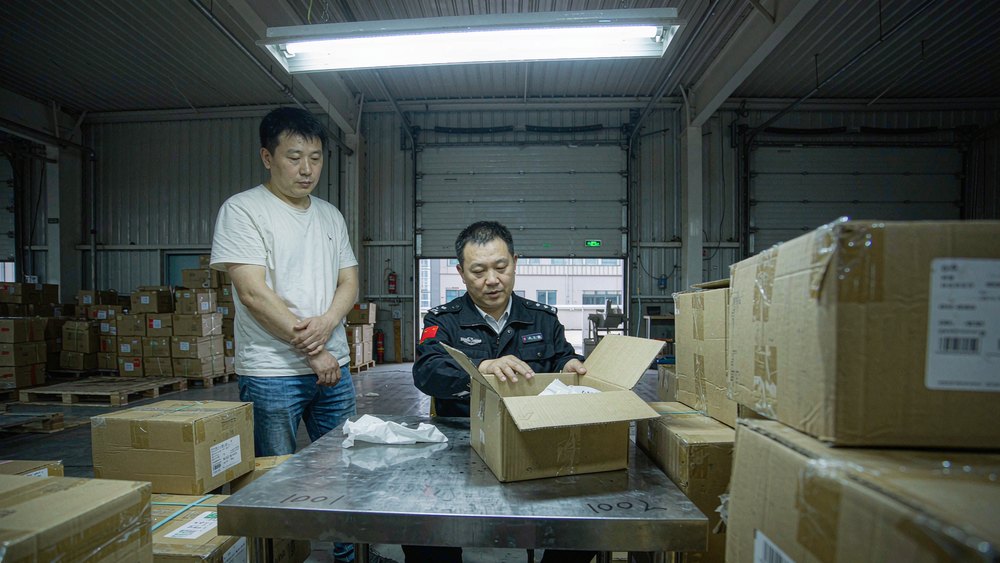
When a forwarder says a shipment has been selected for inspection, the first reaction is usually alarm, and the second is whether something was done wrong. Most of the time it is neither. Targeting combines risk indicators with a proportion of random selection, so any company exporting regularly can expect to be picked — what differs is how calm the response is. What determines the impact is not the inspection itself but whether the documents stand up to scrutiny, whether a buffer exists in the schedule, and whether the actions happen in order. Here is how inspection is triggered on exports from Shanghai, what the types involve, and how to run the response, the documents and the timeline.
1. How Shipments Get Flagged
Inspection selection usually comes from one of a few sources. System risk assessment, where declared elements, value, description or routing cross a risk parameter. Random selection by proportion, which has nothing to do with the quality of a particular declaration. And periodically heightened attention in specific commodity categories. One misunderstanding is worth clearing up immediately: being selected does not mean something is wrong. The two situations that genuinely cause trouble are a declaration element that does not match the goods, and an inspection where the documents cannot be produced or explained on the spot. So the realistic aim is not to avoid selection — that is not within a shipper’s control — but to make an inspection manageable. In Shanghai freight forwarding, the advice given to shippers is consistent: put the effort in beforehand, not on the day.
2. Types of Inspection and Where the Time Goes
From a shipper’s point of view, inspections fall into a few types with quite different timelines. Scanning, where the container passes through imaging, is usually quicker and often requires no de-stuffing; a clean image means release. Manual inspection requires the container to be opened and the goods checked against the documents, and how long it takes depends on packaging, stowage and the difficulty of tallying. Sampling and laboratory testing applies where composition, specification or safety indicators must be confirmed; the time is driven by the test items and is often counted in working days. Re-inspection covers cases where a first conclusion needs further confirmation and takes longer still. A further slice of time, frequently underestimated, comes after inspection when an amendment or supplementary document is required. Knowing these differences is what lets you ask the right question when notified — which type, and roughly how long — instead of simply waiting for news.
3. The Order of Action Once You Are Notified
Four steps. First, establish the facts: ask the broker for the inspection type, appointment time and location, and whether the shipper must attend or supply extra documents. Second, prepare the documents: declaration, invoice, packing list, contract and any necessary product documentation, all assembled in advance and consistent with one another — nobody should be searching for paperwork at the site. Third, support the operation: where de-stuffing or repositioning is needed, confirm the cost and working hours in advance, and flag fragile or complex packaging so that securing and re-packing requirements are understood. Fourth, deal with the sailing: assess immediately whether the original booking is at risk, and decide with the forwarder whether to catch the vessel, re-book or postpone the declaration. Making that choice early is far easier than improvising once a result arrives. Step two is the one most often skipped and the one that most determines how smoothly the inspection goes; in Shanghai export logistics, the shipments that clear an inspection quickly are the ones with complete documents and a single consistent story.
4. Document Consistency Is the Real Safeguard
What most often goes wrong at an inspection is an inability to explain. Across the declaration, invoice, packing list and contract, at least four things must agree. Description: accurate and neither overstated nor vague, matching the actual goods. Quantity and weight: packages, net weight and gross weight consistent with the packing list. Value and currency: consistent with the invoice and contract. And declared elements such as brand, model, specification and origin, matching the goods and any supporting evidence. Two further points are easily overlooked: whether accompanying trademark authorisations, test reports or licence-type documents are complete and valid, and whether outer packaging and shipping marks match the description on paper. A useful standard when preparing documents is whether an inspector working down the list can tick each item off — not merely whether the declaration will be accepted. The former protects the latter; the latter does not protect the former.
5. Controlling Timeline and Cost
Inspection impacts two things. On time, there is the inspection itself and the sailing risk it creates. The control is buffer: book slightly earlier than the minimum for your regular lanes, and add a day or two for sensitive commodities or a first-time export. On cost, the usual items are de-stuffing, container repositioning, storage, tallying and any charges from re-booking a later vessel. The way to control cost is not to negotiate harder but to reduce re-work: supply documents in one pass, pack so the container can be opened and re-secured easily, and mark cartons clearly for tallying — all of which shorten the operation. Around peak season and public holidays, move earlier still, because yard space and labour are tight and a half-day task in normal conditions can become two days. For regular exporters, writing an inspection buffer into the shipping plan as a standard line item is far less disruptive than coordinating it each time.
6. Habits That Lower Both Odds and Cost
Several are worth keeping up. Standardise declared elements: build an internal template for each commodity covering description, composition, use, brand, model and origin, so that a new colleague fills in rather than improvises. Confirm classification in advance, fixing the basis for new or easily confused products before the first shipment and keeping the reasoning on file. Keep declared values truthful and aligned with the actual transaction, since under-declaration invites exactly the follow-up you want to avoid. Archive documents by order, so the next similar shipment can reuse the previous file. Build credit history — a company’s customs credit level and declaration record are generally taken into account in clearance facilitation, subject to published customs policy. And choose a disciplined forwarder and broker: a team that maintains element templates and review checkpoints will prevent a good share of avoidable errors before they reach the port.
7. Review: Turning Inspection into a Manageable Variable
A short quarterly review is enough, recording five things: how many shipments were inspected and what share that represents, the mix of inspection types, which commodities were involved, how long handling took, and any document problems found. It sounds like work, but once the template exists the entry takes two minutes per shipment. The value is in converting an occasional event into a manageable variable. If one commodity is inspected noticeably more often, the description or classification may still be improvable. If handling consistently takes too long, the cause is usually the pace of document preparation rather than the inspection itself. Exporters who keep this up tend to notice two things: inspections do not become rarer, but each one is handled faster and affects the sailing less. That is what process buys.
YINGSHANG Freight Tip: you cannot control whether a shipment is selected, but you can control the response. Three habits matter most — declared elements prepared from a fixed template, documents consistent enough to be checked on site, and an inspection buffer built into the shipping plan. YINGSHANG provides one-stop Shanghai freight forwarding, ocean freight booking, import-export customs clearance and cross-border logistics, with booking, declaration and inspection coordination handled by one team. Call 189-1692-3020.
Author: YINGSHANG Editorial Team
Reviewed: · Source: Shanghai Yingshang Car Rental Co., Ltd.
The YINGSHANG Editorial Team is the official content team of Shanghai Yingshang Car Rental, responsible for curating international logistics, import customs clearance and supply chain content, and for verifying pricing and reviewing content.
Freight rates, service and process details in this article were reviewed and updated by the YINGSHANG Editorial Team on 2026-10-04. International logistics prices fluctuate with the market and are subject to the day's quote; call 189-1692-3020 for the latest plans and rates.