Moving Export Containers from a Shanghai Factory to the Terminal: Trucking, Loading and Cut-Off Timing
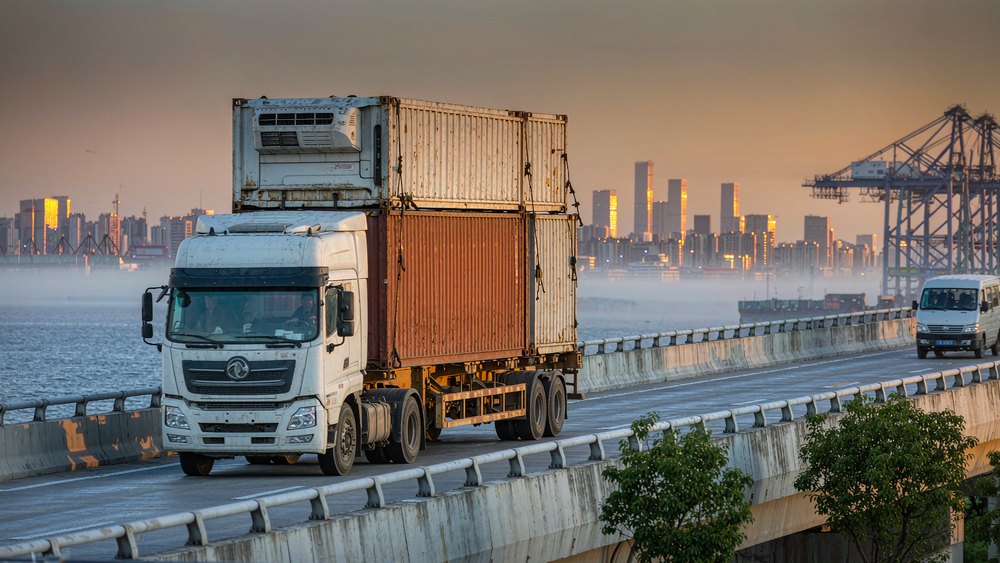
An ocean export moves through a fixed sequence: booking confirmation, empty container pickup, loading at the factory, returning the laden container to the terminal, customs release, and loading aboard. The trucking and terminal-delivery leg joins the factory to the port. It looks like the simplest part, yet it carries the tightest window and involves the most parties. One hour lost anywhere along it can push the shipment past customs or port cut-off and roll it to the next sailing. This article works through the operational order: container pickup, loading, the return to terminal and the control of cut-off timing. Only operating method and time management are covered; specific times, charges and compliance positions follow the carrier, the port and the competent authorities’ current confirmation.
1. Where Trucking and Terminal Delivery Sit in the Chain
Lay a shipment out and it falls into three parts. Upstream: booking and documentation. The middle: the container moving from the depot to the factory and back to the terminal by road. Downstream: customs release and loading aboard. Trucking sits in the middle, and it is constrained from both ends - without a booking confirmation and container details, pickup cannot be arranged; without customs keeping pace, the container reaches the terminal but cannot sail. So the core of this work is not calling a truck, but working backwards through the timeline: fix the sailing and the three cut-offs first, then work back to the terminal return, the completion of loading, the container pickup and the readiness of the cargo. Get the order right and there is room to absorb congestion or an inspection; get it wrong and any small delay lands directly on a deadline.
2. Pickup and Loading: Container Details, Sequence and Coordination on Site
Three things need confirming before pickup. First, container type and count, for example 20ft, 40ft or 40ft high cube, matching the booking - the wrong type affects both loading and charges. Second, the pickup point and the container free-use window: the clock on free time starts once the empty container leaves the depot, so collecting too early wastes free days and creates avoidable charges. Third, the loading plan - factory or warehouse stuffing, what handling equipment is needed, and whether internal securing is required. Two problems recur at the loading stage. Cargo volume that does not match the container’s internal space, or heavy and light cargo poorly distributed, produces an unbalanced load. And insufficient internal securing lets cargo shift in transit and arrive damaged. Check the stuffing list beforehand, and photograph the finished job: how the cargo is stowed, the doors closed, and the container number and seal number clearly legible. Overweight, over-length or over-height cargo should be declared in advance so it is not rejected or surcharged at the gate.
3. Terminal Return and Cut-Offs: Three Times That Must Not Be Confused
The most common failure at this stage is treating three separate deadlines as one. The documentation cut-off is the deadline for submitting bill of lading details and weight declarations. The customs cut-off is the deadline by which the shipment must be declared and released. The port cut-off is the deadline by which the laden container must be inside the terminal. The order between them and the exact times are published by the carrier and the port, and they differ by trade lane and by terminal, so the current publication governs. The usual mistake is remembering only one of them - treating the port cut-off as the final deadline, for instance, and forgetting that customs has to clear beforehand, so the container sits inside the gate with no release and watches the vessel leave. The safe approach: once the booking is confirmed, put the three times for that lane on one sheet, work back from the customs cut-off to the point when documentation must be complete, and from the port cut-off to the terminal return and loading, then back again to container pickup and cargo readiness. Build the backwards timeline once, reuse it for every shipment, and when something shifts you can see immediately whether the chain still closes.
4. Trucking Charges and the Extras That Appear Later
Trucking is usually priced as a package covering pickup, delivery to the factory and return to the terminal, or as separate legs. Four factors move the figure: distance and terminal, since different terminals and factory locations imply materially different mileage and road costs; timing, where extended waiting at loading, night or holiday work and rescheduled pickups all generate additional charges; container condition and weight, where overweight units or special equipment add handling; and amendments or cancellation, where changing the pickup point or cancelling after dispatch has to be re-confirmed. The client-side answer is straightforward: confirm inclusions and exclusions before the truck is booked, and put the way waiting, overnight stays and rescheduling are priced into the dispatch instruction. One confirmation up front beats itemised explanation afterwards - charge disputes usually arise not because the rate is high, but because nobody said which items were priced separately.
5. Coordination and Record Keeping
Information at this stage moves between four parties: the shipper or factory, the trucker, the customs broker, and the carrier or its agent. The most common failure is not having one channel - when four parties each report separately, the shipper ends up holding contradictory accounts. Appoint one coordinator to collate pickup time, vehicle arrival, completion of loading, terminal return and release status into a single flow for the shipper, and route exceptions through that same channel. Keep three records as well: the dispatch note and vehicle arrival time, the loading photographs and seal number, and the release and gate-in receipts. All three become directly useful in a waiting-charge dispute, an inspection or a re-booking, and they beat reconstructing events from chat histories later.
6. Peak Season and Unexpected Events
In a busy period, congestion around the port, queues at the pickup depot and slow terminal returns all visibly extend the timeline. Four preparations help. Build in buffer, moving pickup and loading forward by half a day to a day, especially before a peak shipping push. Split shipments, prioritising the time-critical ones and running them on separate vehicles where necessary. Watch the notices issued by the port and the carrier, since adjusted cut-offs and changes to terminal operating hours affect the plan directly. And hold a backup sailing: for time-sensitive cargo, confirm next-vessel space in advance. If a shipment is selected for inspection, establish the inspection method and expected duration immediately, assess whether the booking needs to be rolled, and notify the consignee at the same time - the worst outcome is a customer learning about a delay before you do.
7. A Per-Shipment Timeline Log
Keep a timeline log for every ocean export: booking confirmation, container pickup, completion of loading, terminal return, customs release, the three cut-offs, and actual loading aboard, with a note of what caused any deviation. Summarise it monthly by lane or by customer and look at two things: where deviations cluster - pickup, loading or terminal return - and which cargo types have the thinnest margin. After two or three months, planning shifts from leaving time by rule of thumb to leaving time by data: you will know which lane needs an extra half day and which cargo must be stuffed ahead of schedule, and peak season becomes less uncomfortable. It is a low-cost, quick-return piece of export logistics housekeeping.
YINGSHANG Freight Tip: the first rule for trucking and terminal delivery is deadlines before actions - separate the documentation, customs and port cut-offs, and only then does the return, loading and pickup plan fall into place. The second is a single information channel: progress across trucker, broker and carrier agent collated by one coordinator, with exceptions reported immediately. YINGSHANG provides Shanghai freight forwarding, import-export logistics and customs coordination, and can check the timeline and document wording at the booking stage. Call 189-1692-3020.
Author: YINGSHANG Editorial Team
Reviewed: · Source: Shanghai Yingshang Car Rental Co., Ltd.
The YINGSHANG Editorial Team is the official content team of Shanghai Yingshang Car Rental, responsible for curating international logistics, import customs clearance and supply chain content, and for verifying pricing and reviewing content.
Freight rates, service and process details in this article were reviewed and updated by the YINGSHANG Editorial Team on 2026-10-08. International logistics prices fluctuate with the market and are subject to the day's quote; call 189-1692-3020 for the latest plans and rates.