Verified Gross Mass: How to Prepare Container Weight Declarations for Export
Between booking and loading, every export consignment passes through one step that is routinely underestimated: the VGM declaration.
VGM stands for Verified Gross Mass — the combined weight of the container, the cargo, and any packing or securing materials. It is not optional supplementary information but a mandatory declaration before loading. Get it wrong and the consequences range from amendments to a change in stowage planning, or even rolled cargo.
1. Why VGM is required
Ship stowage planning depends on stability calculations, and every container weight is an input. If a declared figure departs too far from reality, it affects the plan for the whole vessel. The verified weight must therefore be submitted before loading, and it must come from the party responsible for packing.
The principle is straightforward: whoever packs declares. If the shipper packs the container, the shipper prepares the data. If a warehouse or forwarder packs it, that party provides the figure and passes it to whoever booked the space.
2. Three permitted weighing methods
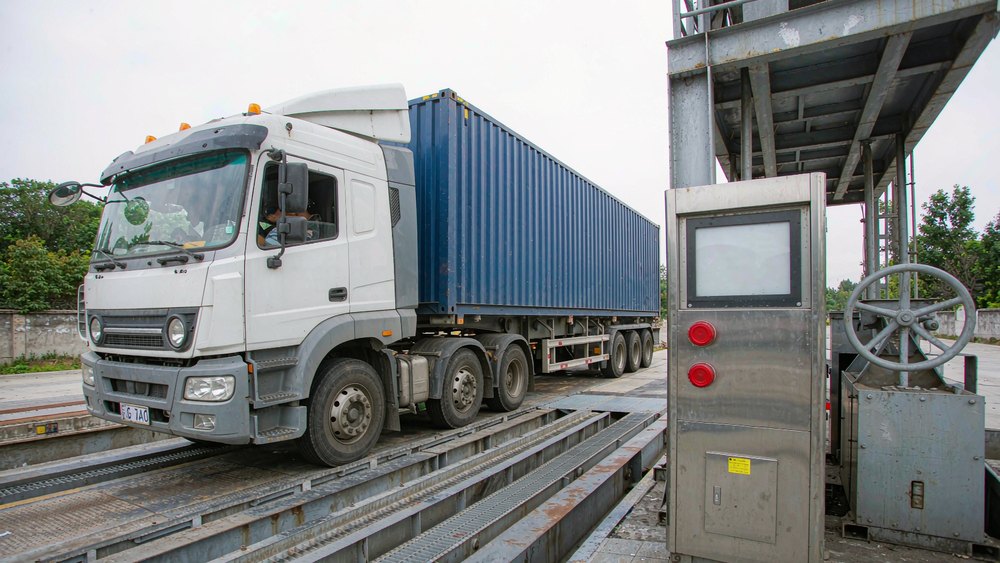
Method one: weighing the packed container as a whole on a calibrated weighbridge. This is a direct route and gives a reliable figure.
Method two: weighing the components separately and adding them up — cargo, packing materials, securing materials and the container tare. This method demands more complete documentation, because every element needs a record.
Method three: calculating by formula for particular cargo types. Some commodities with a fixed density or standard packaging can be derived under prescribed conditions, but the scope is limited and the conditions must be met.
Most shippers choose whole-container weighing: the shortest process and the fewest disputes.
3. Where the data comes from and how it connects
The usual practice is to weigh the container at the factory or warehouse immediately after packing and obtain a weighbridge ticket. That ticket must be tied to a specific container number — when several containers are loaded together, mismatches are easy to make.
If there is no weighbridge on site, the container has to be moved to a facility that has one and then returned or taken straight to the terminal. That costs time, so it belongs in the plan from the outset rather than being discovered just before the cut-off.
Once the ticket is in hand, the figure is passed to the booking party or the carrier's designated channel, and the original document is retained. The reason to keep it is simple: if weight is ever disputed or checked, you need to be able to show your basis.
4. Timing: VGM against documentation, customs and terminal cut-offs
The VGM submission normally sits alongside the documentation cut-off and must precede the completion of stowage planning. In practice, three deadlines form a chain: documentation cut-off (documents plus VGM), customs release, and terminal cut-off for the container to enter the port. The order cannot be reversed, and a delay at any point squeezes everything that follows.
Before holidays and during peak season, terminals and carriers compress their processing windows, so VGM needs to be prepared earlier, with room left for corrections.
5. Common discrepancies and how to fix them
Three problems recur most often. First, the container tare or securing materials are omitted, so the declared figure is too low. Second, with multiple containers loaded together, figures are mismatched and one container's weight is declared against another. Third, cargo is added after packing, the weight changes, and the declaration is not updated.
The first two are controlled by process; the third by recording changes. Record the container number, weighbridge ticket number and actual weight on the packing list as standard. If anything changes after packing, update the declaration and keep a record of the amendment.
Common Questions
Q1: Must the shipper declare the VGM?
Responsibility sits with the party that packs the container. If the shipper packs it, the shipper prepares the data; if a warehouse packs it, that party supplies the figure to the booking chain. Either way, the source of the figure should be backed by documentation.
Q2: What if there is no weighbridge at the packing site?
Either weigh the components separately and add them up, or move the container to a facility with a weighbridge. The first demands complete documentation; the second consumes additional transport time. Both need to be scheduled in advance.
Q3: What happens if the VGM is wrong?
At minimum an amendment is filed; at worst it affects stowage planning and the container is rolled, with additional charges. The usual causes are an omitted container tare, mismatched figures, or cargo added after packing without updating the declaration. Tying container numbers, weighbridge tickets and weights together, and updating changes promptly, keeps the risk low.
Line up the weighing method, the data source and the three deadlines in advance, and VGM stops being an unwelcome surprise on the way to the vessel.
Author: YINGSHANG Editorial Team
Reviewed: · Source: Shanghai Yingshang Car Rental Co., Ltd.
The YINGSHANG Editorial Team is the official content team of Shanghai Yingshang Car Rental, responsible for curating international logistics, import customs clearance and supply chain content, and for verifying pricing and reviewing content.
Freight rates, service and process details in this article were reviewed and updated by the YINGSHANG Editorial Team on 2026-10-08. International logistics prices fluctuate with the market and are subject to the day's quote; call 189-1692-3020 for the latest plans and rates.