Getting Your Buyer to Clear and Collect the Cargo After Arrival: Document Flow, Clearance and Milestones
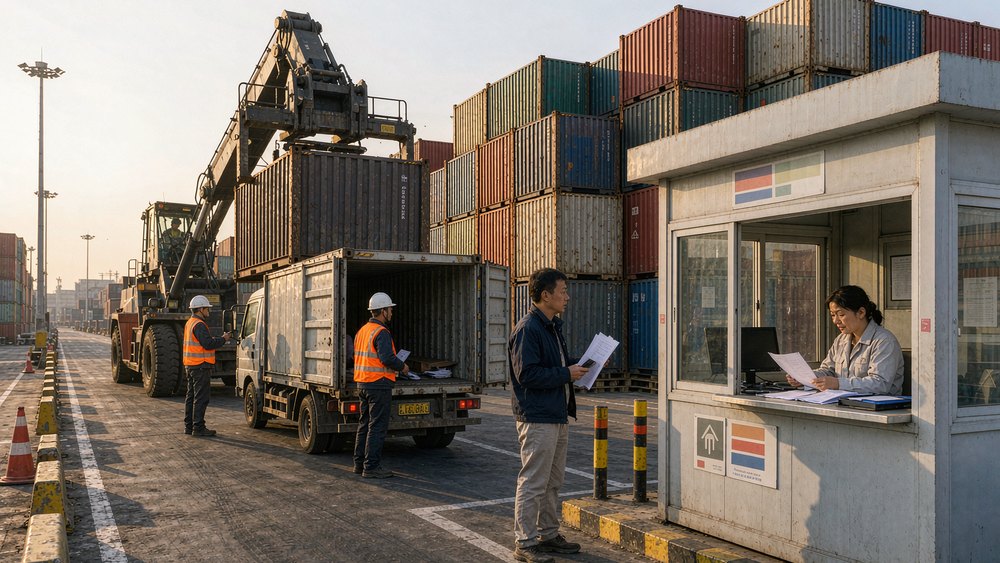
On an export, the vessel sailing is only half the journey. Most of the trouble happens after the cargo reaches the destination port: documents still in transit, a buyer who did not know they had to exchange the bill, clearance paperwork that does not match the declaration, and free storage quietly running out - producing a set of avoidable destination charges, and occasionally cargo that sits there. This article covers general process and preparation only; specific document requirements, clearance rules and charges rest on local regulations, the carrier and the actual documents.
1. Three Roles and Three Timelines
Most confusion after arrival comes from roles and timelines not being aligned. Three roles: the shipper (the exporter and its forwarder), the carrier and its destination agent, and the buyer with its clearance agent. Three timelines: the estimated arrival of the vessel or flight, the point at which the documents allow release - original bills delivered or a telex release issued - and the free storage and free container-use periods at destination. Put those three on one sheet and most things described as impossible to foresee become visible in advance. Documents arriving three days late can mean extra storage; a buyer taking a week to prepare clearance paperwork eats into the free period. The habit worth building is to establish the rough range of all three when booking, and to write them into the shipping plan rather than asking once the vessel has sailed.
2. Document Flow: From Issue to Release
Release depends on the documents being in place. The usual routes each have their own timing and conditions. Original bills have to travel physically, so courier time and reliability must be planned for, particularly where endorsement or multiple originals are involved. A telex release needs a letter of indemnity from the shipper and carries its own risk; it is fast, but only once the buyer can actually take delivery. A sea waybill is not a document of title and suits situations where shipper and buyer already have a settled relationship. Arrival notices and the paperwork needed to exchange for a delivery order are usually handled through the destination agent. Whichever route is used, the shipper has two jobs: write the document milestones into the shipping plan, naming who sends which paper to whom and when; and check the key details once before the documents are issued - the buyer’s full name and address, the notify party, description and package counts, marks and container numbers, and where charges fall under the trade term. Amendments caused by inconsistent information are usually more trouble than a few days of delay.
3. Clearance: Who Can Clear, and Who Pays
The point most often missed is that the ability to clear customs and the responsibility for costs are two different questions. The ability depends on local rules and normally sits with the buyer or a broker it appoints; an exporter should not assume the forwarder can do everything. Cost allocation follows the trade term: under DDP the exporter carries destination clearance and charges, while under DAP the exporter typically delivers to the destination and the buyer handles import clearance. Under DDP, therefore, the exporter must confirm in advance that it can actually clear at destination and has the paperwork to do so, or the cargo arrives with nobody able to act. Under DAP or similar, the buyer’s role should be explained early: what documents it must supply, what declaration steps it must take, and what charges arise if it delays. Aligning both questions when the order is confirmed is far more effective than coordinating after arrival.
4. One Page to Send the Buyer Before Arrival
Many destination problems come from the buyer simply not knowing what is expected. After shipment, send a one-page arrival briefing: the estimated arrival and the vessel voyage or flight number; the release route and what the buyer must do, such as exchanging an original bill or instructing an agent; the clearance document list, covering invoice, packing list, bill or arrival notice and anything the destination requires; the deadlines for free storage and free container use; and a contact name and number if something goes wrong. It costs very little and pays well: a buyer who prepares documents, collection vehicles and warehousing in advance moves the cargo straight into the process instead of leaving it waiting at the port. For regular customers, turn the page into a standard template and send it with the shipment notice, changing only the sailing date and container numbers.
5. After Arrival: Exchange, Declaration, Inspection, Release, Collection
After arrival, five milestones usually follow. First, arrival notice and exchange: the carrier’s agent issues the notice and a delivery order is obtained against the bill or telex release, which everything else depends on. Second, import declaration: the buyer or its agent files the clearance documents, and consistency of information and classification often determine how smoothly it goes. Third, inspection: where a shipment is selected, open-container or scanning procedures have to be followed locally, and clear records of how the cargo was packed reduce the explaining required. Fourth, release and payment: release follows settlement of clearance and terminal charges. Fifth, collection and return: arrange the vehicle, devan the container and return it within the free period, which is where overdue charges most commonly arise. The exporter is not directly involved in these steps, but preparing documents and prompting the buyer keeps every milestone short.
6. Free Periods and Charges: Who Pays, and From When
Destination charges share one feature: the clock starts on a fixed date, not on the day the problem is noticed. Free storage normally runs from discharge or entry into the terminal, free container use from collection, and the two deadlines differ, so both need tracking. Typical charges include storage, container detention, documentation, amendment fees and costs arising from inspection. On who pays, the answer comes back to the trade term and the contract: the term allocates responsibility and cost, but the detail of what actually arose at destination still needs to be explained to the buyer promptly. Two practical steps: convert both deadlines into calendar dates inside the arrival briefing and follow up once before they fall; and where a buyer is delaying collection, raise it in writing early and discuss possible mitigation with the carrier, rather than reconstructing responsibility after the charges have accrued.
7. Handling Delivery Exceptions
Three exceptions dominate. Documents that do not match or contain errors - buyer name, description, package counts, marks - are best found before arrival, since amending then costs far less than afterwards. A buyer who does not collect, or delays: establish the reason first, whether funding, warehousing capacity, documents or internal process, then agree a specific collection schedule and set out the charges that may follow, so the discussion does not happen later. And a buyer asking to amend documents, change the consignee or resell the cargo: such changes touch the manifest and bill, must be completed before release at destination, and should be confirmed as raising no objection from the original buyer. One principle covers all three: act early, keep the communication in writing, and put costs on the table in advance. The exporter need not clear customs on the buyer’s behalf, but it should surface foreseeable problems before they land.
8. A Pre-Arrival Checklist
Between sailing and arrival, work through this list: whether the release route is settled, and where originals are required, whether dispatch and delivery dates are confirmed; whether bill and manifest details have been checked with the buyer, including name and address; whether the buyer knows who clears and what documents are needed; whether the arrival briefing has gone out with the estimated arrival and deadlines; whether free storage and free container-use deadlines have been turned into dates with reminders set; whether the packing and stowage records are retained for any inspection; whether the destination contact is supplied; and where DDP or similar applies, whether destination clearance responsibility and the documents for it are confirmed as workable. Working through those eight leaves far less to improvise once the cargo is alongside.
YINGSHANG Freight Tip: three rules - when booking, settle how release will work at destination, who clears and what the deadlines are, and write them into the shipping plan; send the arrival briefing to the buyer early so clearance and collection are arranged before charges begin; and since destination charges mostly run from fixed dates, a reminder in advance costs less than an explanation afterwards. YINGSHANG provides Shanghai export booking, customs declaration and international freight forwarding, with international freight forwarding within its registered business scope, and can help check document details, map arrival milestones and advise on document flow before shipment. Call 189-1692-3020.
Author: YINGSHANG Editorial Team
Reviewed: · Source: Shanghai Yingshang Car Rental Co., Ltd.
The YINGSHANG Editorial Team is the official content team of Shanghai Yingshang Car Rental, responsible for curating international logistics, import customs clearance and supply chain content, and for verifying pricing and reviewing content.
Freight rates, service and process details in this article were reviewed and updated by the YINGSHANG Editorial Team on 2026-10-16. International logistics prices fluctuate with the market and are subject to the day's quote; call 189-1692-3020 for the latest plans and rates.