Supervising Container Loading in Shanghai: Tally, Seals and Photo Evidence
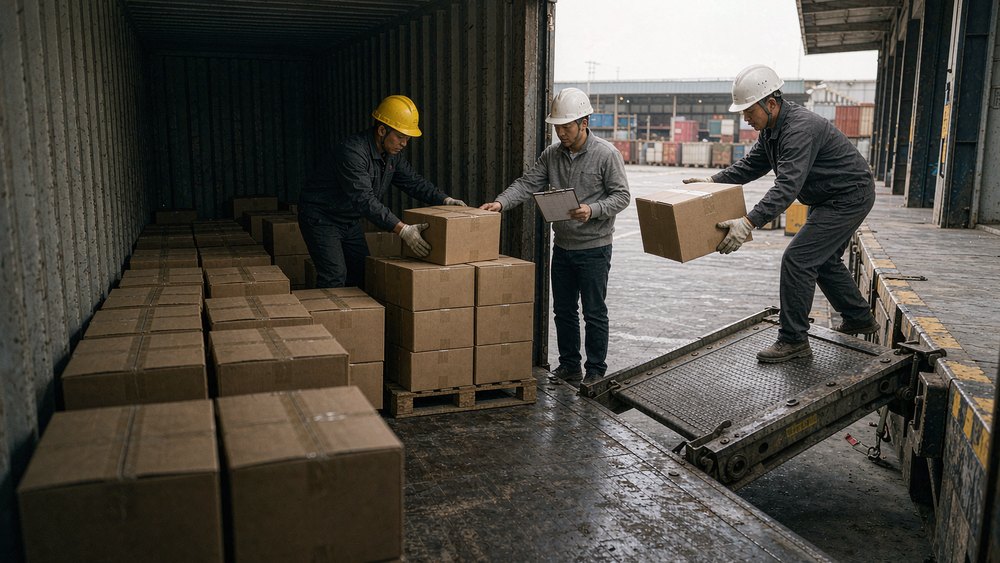
Loading a container is a short step in an export: a few hours, one box, one consignment. It is also where responsibility changes hands. Once the doors close and the seal goes on, quantity and condition move from the factory or warehouse to the transport chain. Many disputes are not caused in transit at all; they come from a thin record on the loading day, with nobody counting cartons, no photographs of damaged cases, no seal number written down and no note of how the cargo was stacked. When the box is opened at destination and something is short or crushed, nobody can say where it happened. This article sets out general working methods and record-keeping; packaging standards and the requirements for dangerous or special cargo follow the carrier, the destination rules and the actual documents.
1. What Supervision Is Actually Preventing
Supervision is not standing nearby while people load. It targets three specific risks. Quantity risk: the number of pieces loaded does not match the packing list, through overloading, short loading, a forgotten tail carton, and the count at destination cannot be reconciled. Condition risk: cartons are damp, crushed or torn before loading, nobody records it, and the buyer treats it as transit damage. Mix-up risk: several consignments for one customer, or one consignment with several shipping marks, are loaded together and become difficult to separate at destination, sometimes triggering inspection of the whole lot. All three share one feature: they cannot be reconstructed afterwards. The value of supervision is therefore not speed but fixing recordable facts during the few hours the doors are open. Companies that supervise well are not the ones that never have a problem; they are the ones that can produce an evidence chain within two days when one appears.
2. Before Loading: Container Condition and Paperwork
Several checks belong before the doors open. Confirm the container number against the booking, together with the seal number, vessel and voyage, and destination; when a factory loads several boxes in one day, loading into the wrong one is a real error. Inspect the box: dry interior, no odour or residue, sound and level flooring, no water staining on the roof, doors and locking bars working. The order of handling a defect is photograph first, decide second. Minor issues are recorded and managed with lining and moisture control; anything affecting cargo safety, such as a damaged floor, roof staining suggesting a leak, or a strong odour, justifies refusing the box and requesting a replacement rather than proceeding. Prepare the paperwork: packing list, invoice, shipping mark samples, weight and dimension records, and any documents travelling with the box, in a checklist that is ticked as loading proceeds rather than reconstructed afterwards.
3. Tallying: Pieces and Shipping Marks
The point of a tally is that it can be rechecked. Three practices. Sort by shipping mark: where one container holds several marks, group the cargo by mark, count each group, then total against the packing list; counting a mixed pile means starting again after a single error. Double-count the key figures: total pieces, total cartons and pallet count counted independently by two people, with any difference resolved before the doors close. Record the tail and the loose items: the last few cartons, accessory boxes and sample boxes are the ones most often omitted, so list them separately and note where they sit, for example inside the doors at upper right, so they can be found quickly at destination. Record the loading sequence as well, since it determines the unloading sequence; cargo needed first at destination should be loaded last, near the doors. Once the count is agreed, both sides sign the packing list, and the signed version becomes the basis for reconciliation and claims.
4. Stacking and Securing: the Hours That Decide Damage Rates
The same cargo in the same box can arrive with very different damage rates depending on how it was stacked. Four basics. Heavy and low, light and high: heavy goods and full pallets on the floor and towards the far end, light and loose items above and near the doors. Fill the voids: gaps are space for cargo to move, so use airbags, dunnage, board or netting rather than assuming the driver will not brake hard. Spread the load: align pallets so upper layers do not bridge the joint between two lower pallets, and put dunnage under heavy single pieces to spread pressure on the floor. Control moisture and water: line the box, keep cartons off the walls and roof, and leave inspection space behind the doors. When securing is finished, take a wide interior photograph before closing, which in a dispute is often worth more than any written description.
5. Seals and Photographs: Building One Set of Evidence
The seal is the only proof on the doors, and mishandling it erases the line of responsibility. Three actions. The seal number must match in three places: the physical seal, the packing list or loading record, and the customs and bill of lading documents; read it twice on the spot, because one digit can create a delivery dispute at destination. The sealing itself should be witnessed: applied by the carrier, warehouse or supervisor as agreed, with photographs of the seal on the locking bar and a close-up of the number, so it cannot be argued that a seal was applied but not correctly. Photographs should form a set: at minimum the empty interior, the container number, a mid-loading wide shot, the loaded interior before closing, the seal number close-up, and the doors after sealing, all carrying time information and filed by container number. The value lies in continuity: one image proves a moment, a set proves that this box, this cargo and this seal belong together.
6. Extra Steps for Special Cargo
Beyond general cargo, several categories need more attention during loading. Dangerous and chemical goods: packaging, labels, markings and segregation must match the declaration, so labels and packaging condition are checked piece by piece, and any damaged packaging is resolved before loading rather than afterwards; stowage position and segregation follow the carrier and the applicable rules. Temperature-controlled cargo: pre-cool the box to the set temperature and record it, keep door-open time to a minimum, record the temperature immediately after loading with a photograph of the reading, and monitor in transit as agreed. Oversized and heavy equipment: the focus is load path and restraint, with the frame, strapping and dunnage plan agreed in advance, each fixing point checked during loading and internal bracing added where movement is possible. The common precondition is that special requirements are settled at booking; the loading day is for execution, not for deciding.
7. Handling Exceptions and Disputes on the Spot
Three exceptions are common. Short or excess loading: the count differs from the packing list, so stop and reconcile; where the cause is found, correct the documents and have both sides sign, and where it is not, issue a note stating the quantity actually shipped rather than closing the doors on a known difference. Damage: photograph each affected carton with its number and position, repack where possible, and where not, note it on the packing list and have the shipper confirm, involving the carrier where appropriate. Last-minute changes: a customer adding, removing or re-marking cargo affects customs and bill of lading data, so confirm whether the change can be completed before the cut-off before loading, never load first and sort out documents later. All three follow the same principle: record on the spot, sign by both sides, file the same day. A verbal promise two weeks later is effectively no promise at all.
8. The Loading Record and Handover File
Collect the actions above into one sheet, one file per container. It should carry the container and seal numbers, vessel, voyage and destination, loading date and times, the parties present (shipper, warehouse, supervisor, carrier representative), the condition check conclusion, the mark breakdown and piece counts, the loading sequence and positions, the securing method, exceptions and how they were resolved, the list of image files, and signatures. Name the file by container number and date, and keep it with the customs documents, packing list and bill of lading data for the period required by company policy and contract. The practical benefit is straightforward: if destination raises a shortage or damage claim, the whole record can be produced the same day, and if a customer asks what went into a particular box and how it was stowed, nobody has to rely on memory. The record is not extra work; it turns work already done into verifiable fact.
YINGSHANG freight note: three habits worth keeping. Inspect the box strictly rather than generously, and request a replacement where there is staining or odour. Read the seal number twice on the spot and match it across three documents. File photographs as a set of six, covering the empty interior, the container number, loading in progress, the loaded interior, the seal close-up and the sealed doors, one folder per container. YINGSHANG has operated since 2012, with 285 self-owned Shanghai-plate vehicles, more than 500 corporate clients on the rental side, and international freight covering booking, customs declaration, port delivery and document coordination. Rental 133-7002-5039, freight 189-1692-3020, yingshangcar@163.com, open Monday to Sunday 08:00-22:00.
Author: YINGSHANG Editorial Team
Reviewed: · Source: Shanghai Yingshang Car Rental Co., Ltd.
The YINGSHANG Editorial Team is the official content team of Shanghai Yingshang Car Rental, responsible for curating international logistics, import customs clearance and supply chain content, and for verifying pricing and reviewing content.
Freight rates, service and process details in this article were reviewed and updated by the YINGSHANG Editorial Team on 2026-10-17. International logistics prices fluctuate with the market and are subject to the day quote; call 189-1692-3020 for the latest plans and rates.