2026-10-19 · Winter Shuttle
How Should a Shanghai Company Prepare Its Employee Shuttle for Winter?
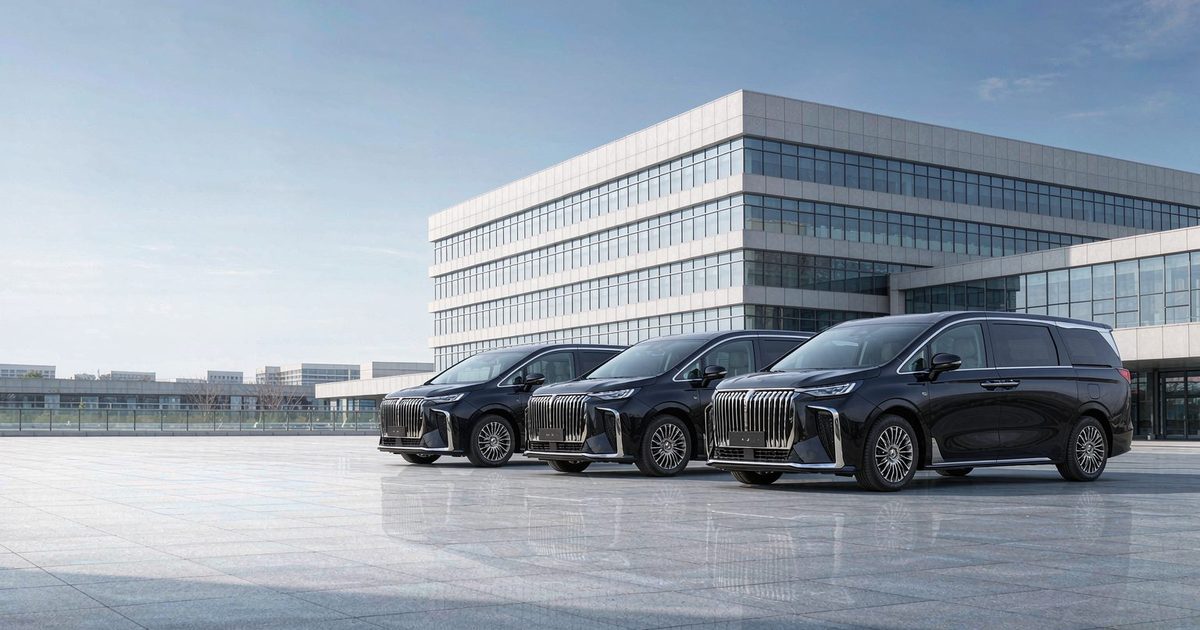
A shuttle is the least forgiving part of corporate commuting. Same time, same route, same group of people, every day, so a single delay is read as the company failing to organise a basic thing. Winter adds the most variables: low temperatures, late daylight, wet roads, poor visibility, and vehicles that are less reliable than they were in September. Many companies reduce winter preparation to telling drivers to go slower. What actually works is settling the controllable parts before the cold arrives: vehicle condition, waiting points, how information is published, and who is authorised to decide. Fixing these after the first cold snap costs more, feels worse, and tends to fail on the busiest Monday morning. The four lines below, vehicle, driver, stop and weather, can all be scheduled in advance.
1. Why the Shuttle Needs Its Own Review
Q1: Why does a shuttle need a separate winter review rather than the usual checks?
Because winter magnifies exactly what a shuttle cannot afford: a fixed departure time, a full load, and a fixed morning peak route. A reluctant starter in autumn costs two minutes; a flat battery in winter costs the whole load. Mist on the glass wipes away in mild weather; a poor defrost in freezing conditions takes the driver s forward vision with it. Ten extra minutes on the road is an annoyance in October and a scheduling problem in January, because departure does not move, so the time has to be recovered by preparation. The knock-on cost is also higher: one breakdown strands dozens of people on a single route, and replacement capacity takes longer to arrive in bad weather. Doing the work two weeks before winter means service slots are still available, property managers can still be consulted about waiting areas, and message templates can be issued in advance. None of it is complicated, but it needs an owner, a checklist and a completion date.
2. Vehicles and Waiting Points
Q2: Which vehicle checks actually count as winter preparation?
Sort them by three questions: will it start, can the driver see, will it stop. Starting: battery health and terminals, starter condition, cold-start assistance on diesel vehicles, and coolant concentration matched to the lowest local temperature. Seeing: windscreen defrost and heater output, wiper blades, washer fluid rated for low temperatures, and all lights including fog lamps. Stopping: pad and disc thickness, tyre tread depth and pressure, remembering that cold drops pressure and it should be set cold to the manufacturer figure, plus a check for bulges and uneven wear. Add three that concern passengers directly: door and step surfaces that may ice over, handrails that are firmly fixed, and whether rear-cabin heating is adequate. Checks need records, not impressions: which vehicle, which item, when, and who signed. Where a provider supplies replacement vehicles, confirm before winter which units are available and how quickly they can reach a stop, rather than asking on the morning of a failure.
Q3: What should change at waiting points in winter?
Five minutes of waiting feels like fifteen in the cold, which magnifies three things: wind, light and ground. Wind: is the stop in a gap between buildings or an exposed corner, and can it move to a sheltered side; where a permanent shelter is not allowed, agree a lobby or doorway that can be used temporarily, with the property manager informed. Light: early departures happen before sunrise, so check whether the stop is lit, whether the ground holds water that will freeze and whether the boarding position gets blocked by parked cars. Ground: steps and slopes are where people fall, so anti-slip mats, a handrail and moving the boarding point from a ramp to level ground are cheap fixes. Two smaller items shape how the service feels. An arrival estimate lets people stay indoors instead of standing in the wind, and a written lateness rule, including whether a three to five minute grace period applies and what it is measured against, ends the daily argument in the group chat. Stop changes involve property, the park and habit, so settle them in one conversation before winter.
3. Weather Decisions and Driver Briefings
Q4: How should snow, fog and ice decisions be made?
Write down who decides, when they decide and at which level, instead of improvising on the morning. Three levels work. Level one is advisory: conditions affect the journey but roads are open, so publish a road note, require slower speeds and depart slightly earlier. Level two is adjustment: snow, ice or markedly reduced visibility allows route changes, diversions or a system-wide delay, published by dispatch at a fixed time. Level three is suspension or collection points, confirmed jointly by the company lead and the provider s dispatch before publication. Each level needs three attachments: trigger conditions stated as observable facts such as a weather warning level or a closed arterial road, a decision deadline, for example ninety minutes before departure, and channels, meaning a group notice plus SMS plus a notice at the stop rather than one chat thread. One detail is easily missed: people who have already left home and then learn the service is suspended have the worst experience, so an early uncertain notice beats a late certain one. Safety first is not a slogan; it means choosing the more cautious level when information is incomplete.
Q5: What should drivers be briefed on, concretely?
Brief actions, not attitudes. Before departure: start ten to fifteen minutes early to warm the engine and clear the glass, and do not move until forward vision is fully clear; check pressures and lights; confirm rear heating works. While driving: extend following distance, slow earlier on bridges, ramps, tunnel mouths and shaded stretches, avoid hard acceleration and braking, use fog lamps in patchy fog and never overtake into it. At stops: pull fully to the kerb before opening doors, remind passengers to use the handrail, allow an extra moment at the door in rain or snow, and warn about icy ground. On night and overtime runs: watch fatigue, cap continuous driving, and report any return later than agreed. Two items are often skipped. Keep the phone reachable with an emergency contact list, and report a closed road to dispatch rather than rerouting alone. And carry the kit: warning triangle, torch, tow rope, basic first aid and a non-slip mat. Briefings should be acknowledged in writing, not posted once in a group.
4. Measures and Review
Q6: Should shuttle performance measures change in winter?
Yes, with reasons attached. Split punctuality into controllable and uncontrollable delay. A breakdown, a closed road or severe weather belongs in the second group, where what matters is response speed, how long before passengers were told and how long until a replacement arrived, rather than counting it against the driver. Late departure, unauthorised detours or skipping pre-heating are controllable and are measured as usual. Two additional indicators help in winter: the notification lag, meaning the time from identifying an impact to publishing a message, and the replacement arrival time from confirmed failure to a vehicle at the stop. Both say more about resilience than punctuality alone. Review monthly in a short meeting covering only three questions: what affected the service, whether the plan was followed, and what changes next time. Keep it away from blame, because drivers who fear punishment hide small problems, which is more dangerous. Publish any change to the measures before winter so the standard does not appear to move with the weather.
YINGSHANG Car Rental Tip: winter shuttle preparation comes down to four things: a condition checklist, sheltered and lit waiting points, graded weather decisions with deadlines, and driver briefings that name actions.YINGSHANG has operated in Shanghai since 2012 with 285 self-owned Shanghai-plate vehicles, business vehicles averaging 1.1 years old, full-time drivers averaging eight years of experience, more than 500 corporate clients, and settlement through the company account with proper invoices.
Author: YINGSHANG Editorial Team
Reviewed: · Source: Shanghai Yingshang Car Rental Co., Ltd.
The YINGSHANG Editorial Team is the official content team of Shanghai Yingshang Car Rental, responsible for curating Shanghai charter, chauffeured rental, corporate shuttle and business travel content, and for verifying pricing and reviewing content.
Pricing, vehicle and service details in this article were reviewed and updated by the YINGSHANG Editorial Team on 2026-10-19. Charter prices fluctuate with the market and are subject to the day's quote; call 133-7002-5039 for the latest vehicles and rates.
District Coverage
Corporate shuttle, business car rental and long-term hire in these districts.