2026-10-27 · Executive transport
Fixed Executive Transport: Locking the Vehicle, the Driver and the Information Boundary
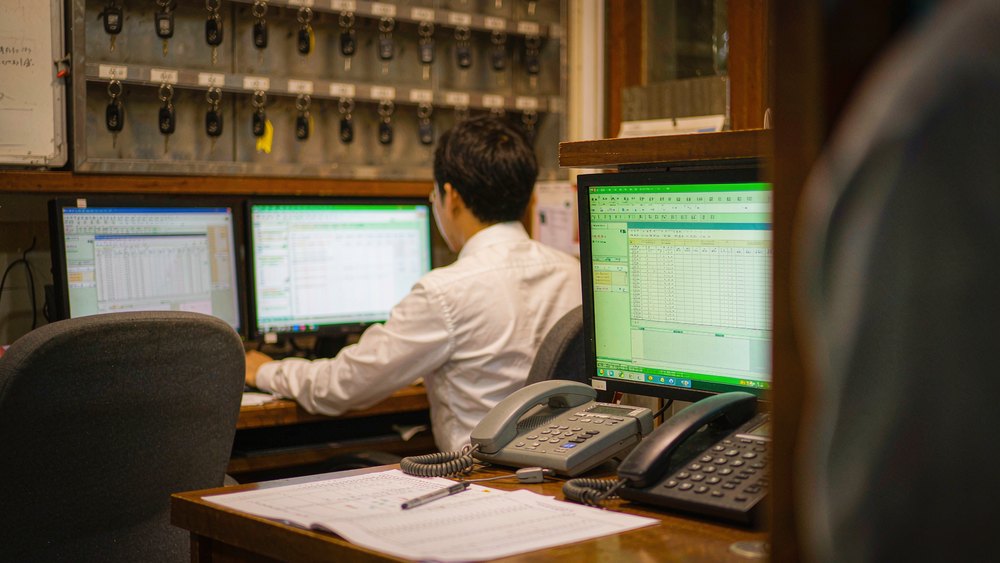
Assigning a car to an executive looks like pairing one vehicle with one driver. In practice it means fixing four things at once: the vehicle, the driver, the set of items kept inside it, and the boundary around information. The first three show up the same day when they break. The fourth surfaces six months later, and by then it cannot be repaired. This article is written from the dispatch desk outward: what "fixed" actually means inside a fleet, which three calls disrupt a rota, then the preference card, the primary-and-backup pairing, confidentiality rules and monthly reconciliation. Vehicle tiers are listed on our corporate vehicle pages, a commonly assigned seven-seater on the Mercedes V260 seven-seat page, and the hospitality format for executive vehicles used to receive clients on our corporate hospitality transport page.
1. What "fixed" means inside a fleet
Q1: What exactly has to be fixed for executive transport?
Four things, and missing any one means it is not fixed. First, the vehicle: same model, same configuration, same seat layout. Moving someone between a GL8, a V260, a V300L and an Alphard is moving them between four different ways of adjusting a second-row seat and opening a door, and the passenger has to relearn all of it. Second, the driver: one primary and one backup, both of whom have met the principal. Third, the contents: the items kept in the car are a written list, replenished when used, not remembered. Fourth, the pickup point: written down to a specific door at an office tower, to a specific building number inside a park, and with the height limit noted for basement car parks — most office basements in Shanghai sit around 2.0 metres, a 1.9-metre vehicle clears it, and one with a roof rack does not. Put all four on one page and tick them at every handover; verbal briefing is not enough.
2. The three calls that wreck a rota
Q2: Which last-minute calls disrupt executive rotas?
Three, and they arrive at predictable hours. First, a time change: a 19:00 call moving the evening departure to 21:40, after the driver was already rostered from 18:30, which shifts his finish time and tomorrow morning. Second, a driver calling in at 07:30 because of a family emergency — at that point the only option is the backup. Third, a vehicle discovered on the day to be due for servicing or inspection, which is a ledger failure rather than an emergency: inspection dates and service intervals can be planned thirty days ahead. Two of the three can be removed a day early: make next-day confirmation a fixed 17:00 routine, and review certificate and service due dates at the start of each month. The time change is handled by writing overtime rules into the contract instead of negotiating them at the kerb.
3. The preference card: twelve fields, three omissions
Q3: What belongs on a preference card, and what must stay off it?
Twelve fields on one page: how the principal is addressed, usual pickup point written to the door, frequent destinations written as building plus entrance rather than street number, cabin temperature (24°C is common but should be asked), preferred seat (second row right or left), whether the cabin stays silent (no music, no small talk), whether work happens in the car (tablet tray and reading light), how long the driver may wait before leaving, water preference, whether sharing a vehicle is acceptable, luggage habits and whether boot space must be reserved, and preferred terminal and gate at each airport. Three omissions: the street number of a home address — the residential compound name plus a nearby landmark is enough; any medical history or medication; and client names or deal information. The third matters most. A preference card is read by drivers, so a full company name on it hands commercial information to people who do not need it. Write "a client in Xuhui" instead.
4. Primary and backup: the second driver rides twice a month
Q4: How do you cover a fixed driver on leave or after resignation?
Primary plus backup is the standard shape, but what makes it work is that the backup has actually ridden along. A practical pattern: the backup rides twice a month, one morning shift and one evening shift, observing only; planned leave is notified 48 hours ahead, and even unplanned absence is called in before 08:00 so the backup can reach the vehicle. Handover covers three items only — preference card, route card with kerbside positions and access registration for frequent buildings, and the key plus contents list — counted and signed face to face. One detail that is easy to miss: passengers notice a change of driver far more than a change of vehicle. Give the first solo run of the backup driver to something low-stakes, such as collecting documents from the airport, so the pairing settles before it matters.
5. Confidentiality rests on three rules, not on a signed form
Q5: How is itinerary confidentiality actually implemented?
Three rules, not a signed form. First, information tiering: the group chat carries area and time window only, for example "Xuhui, 14:00 to 17:00", and the specific client and destination go to the driver alone thirty minutes before departure — never into the group, never onto the visible part of the dispatch sheet. Second, no relay: drivers do not repeat what was discussed in the car, and do not post vehicle interiors or live locations on social platforms. Third, records are kept but access is limited: trip sheets stay for reconciliation and safety tracing, readable by the admin owner and dispatch only, not circulated internally. Write all three into the service agreement and repeat them during driver induction — briefed versus unbriefed makes a visible difference after an incident. If the principal prefers random drivers for privacy, that can be arranged, but say what it costs: familiarity with entrances, guards and habits drops.
6. Monthly reconciliation on one sheet, three columns
Q6: How should executive vehicle costs be gathered and checked monthly?
One sheet, three columns: distance, hours, extras. Distance comes from odometer readings or navigation traces, with the trace prevailing when they disagree. Hours cover driving plus standby, and standby must be defined in the contract — for example from arrival on site to departure. Extras are tolls, parking, night work and cross-city trips, each with a receipt attached. Reconcile those three columns against dispatch sheets and signed receipts, then invoice. Settle one boundary in advance: whether private weekend or evening use counts as a trip, judged by whether it occupied both vehicle and driver. Without that sentence, month-end reconciliation becomes two parties with two defensible readings. Contract party, paying party and invoicing party matching is the other item finance will thank you for, and it can be verified at signing from the business licence and billing details.
Appendix: executive transport handover checklist (eight rows)
| Check | What to look at | Provided by |
|---|---|---|
| Vehicle and plate | Same model and configuration; plate can be nominated | Provider dispatch |
| Ownership | Registration document lists the operating company as owner | Provider (originals on request) |
| Insurance | Compulsory and commercial policies, policyholder is the company, cover spans the term | Provider |
| Primary driver | Full-time, years of experience, prior trips for this account | Provider + admin |
| Backup driver | Has met the principal; two ride-alongs a month on record | Provider |
| Preference card | All twelve fields completed, with version and update date | Admin |
| Contents | Six listed items, quantities, who replenishes and how often | Driver + admin |
| Reconciliation | Distance source, standby definition, private-use boundary | Admin + finance |
YINGSHANG Car Rental Tip:Search YINGSHANG Car Rental on WeChat or call 133-7002-5039 for the executive handover checklist, a sample preference card and the Xuhui kerbside reference sheet; visits to our Songjiang yard at 1468 Laiyin Road, or to the dispatch centre at 655 Jiujing Road, can be arranged in advance.
Author: YINGSHANG Editorial Team
Reviewed: · Source: Shanghai Yingshang Car Rental Co., Ltd.
The YINGSHANG Editorial Team is the official content team of Shanghai Yingshang Car Rental, responsible for curating Shanghai charter, chauffeured rental, corporate shuttle and business travel content, and for verifying pricing and reviewing content.
Pricing, vehicle and service details in this article were reviewed and updated by the YINGSHANG Editorial Team on 2026-10-27. Charter prices fluctuate with the market and are subject to the day's quote; call 133-7002-5039 for the latest vehicles and rates.
District Coverage
Corporate shuttle, business car rental and long-term hire in these districts.