2026-10-01 · FAQ
How Do You Plan a Corporate Shuttle Route in Shanghai? Utilisation, Shift Patterns and On-Time Performance FAQ
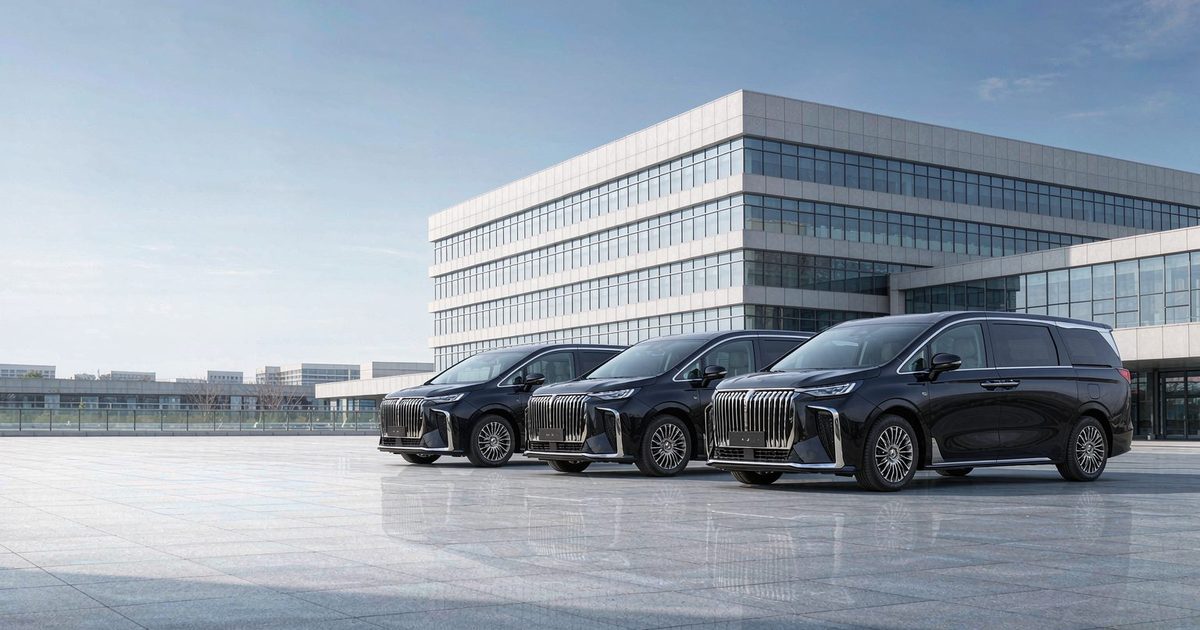
A staff shuttle is the line item that generates the most complaints and the most silent waste. A coach that arrives to an empty stop and a crowd standing at a stop with no coach are two faces of the same coin: the first means the route and the timetable are wrong, the second means dispatch and vehicle assurance are not holding. A corporate shuttle is not simply moving people from A to B. Where the stops sit, when the coaches sail, how big they are, how empty running is cut, how punctuality is measured and what the contract actually says — every one of those lands directly on the annual shuttle budget. Nine questions and answers on running a Shanghai staff shuttle from first route map to contract sign-off.
1. Drawing the Route and Siting the Stops
Q1: How should a corporate shuttle route in Shanghai actually be designed?
Map where employees live before drawing a line — never draw a line and then go looking for passengers. Plot home addresses by district or metro station, find the natural clusters, and give each cluster its own route rather than threading one service through three or four districts. As a working rule, a one-way run should stay inside sixty minutes; past seventy-five minutes, people quietly stop using the service. The customary approach for employee shuttle bus service in Shanghai is one route covering the feeder catchment of a single metro hub in the city core, with suburban plants served by routes built around their own commuter flows. Then check the traffic: keep off the Inner Ring and the Yan'an Elevated at peak and accept a slightly longer path rather than a stationary one. What breaks a shuttle is not distance — it is unpredictability.
Q2: What matters when siting shuttle stops?
Safety first, compliance second, convenience third. On safety, avoid kerbs with no stopping room, bus-stop no-parking areas and corners with poor sightlines. On compliance, do not block bus lanes or stand in fire access routes. On convenience, favour metro exits, estate gates and the side of an office lobby. Fewer stops beat more: four to six points per route is a sensible balance — pack them closer and the one-way time stretches, spread them out and somebody walks a long way. Settle one rule per stop as well: does the coach depart on time regardless, or wait three minutes? Put that in the staff handbook and it saves an argument every morning. In corporate shuttle work, the stop schedule usually matters more than the vehicle list.
2. Matching Departures to Working Patterns
Q3: How do you roster shuttles for a company on flexible hours?
The tension is a fixed departure time against a flexible finish. Two answers exist. Fixed departures plus a sweeper: sail at 17:30 and 18:30 come what may, then run a final 19:30 service to sweep up. Or depart when full: leave once enough passengers have boarded, which is smoother but needs live card-tap data and vehicles and drivers standing by, so it costs more. Which fits depends on how wide your flexibility window really is — a half-past-nine start with a half-past-six finish needs only the one sweeper; a research team coming and going at will needs the sweeper turned into a repeating loop. Strong operators tend to offer a hybrid rather than forcing a choice.
Q4: How should multi-shift and multi-plant sites be handled?
Shift-based operations should treat the shuttle as production infrastructure, not a staff perk. Work backwards from the shift pattern: early-shift inbound, early-shift outbound, middle-shift inbound, middle-shift outbound — one trip per shift, and have the same vehicle run twice rather than leave people waiting an hour at the gate. At multi-plant sites the interchange point matters most; a 20-to-30-minute link service between plants works well. The essential discipline is fixed vehicles, fixed chauffeurs and fixed routes. Once a driver knows the rhythm of the shifts and the habits of each stop, punctuality settles; change the person or the vehicle and the first few days will wobble.
3. Empty Running and Last-Minute Dispatch
Q5: How do you bring empty running down?
Three causes account for most of it: stops that are too remote, departures that are too frequent and vehicles that are too large. Three corresponding moves — merge or drop the stops whose take-up stays under thirty percent, combine two adjacent departure times into one, and step a 45-seater down to a 33-seater or even a 19-seat midibus. One further technique pays off: review card-tap counts per route and per stop weekly and act on the trend, rather than waiting for complaints to arrive. Cutting empty running by a tenth frees real money from the annual budget — and staff experience usually improves, because a coach no longer detours through empty streets.
Q6: How do you cope with last-minute extra passengers or overtime shifts?
Last-minute demand is where a fleet's dispatch capacity shows. Three situations recur: a cohort of new hires or interns suddenly filling a route, a project sprint needing a late-night run, and one-off events such as an annual gathering. The answer is to write last-minute vehicles into the contract with a response window and a defined charging basis — per day or per trip, and whether overtime applies. An own-fleet operator has a structural advantage here: 285 directly-operated Shanghai-plated vehicles rostered by our own dispatch centre means an extra coach comes out of an internal pool instead of waiting for a broker to call back. Brokered pooling is precisely where last-minute requests fall over — slow answers, and a vehicle that may not match the brief.
4. Punctuality and Contract Sign-Off
Q7: How should on-time performance be measured?
Agree the definition before arguing about the number. A practical one reads: a five-minute window around the scheduled departure, with on-time trips divided by total trips. Track just two metrics — on-time rate, with 98 percent or better a reasonable target, and load factor, with thresholds set route by route. Source the data from card-tap or QR check-ins plus driver reporting, which removes vague disputes about feeling late. In the monthly review, classify the causes of every late trip — mechanical fault, abnormal traffic, a late driver, a late passenger — and let responsibility land where it belongs rather than all on the operator. An operator willing to produce that monthly review is usually the one whose punctuality improves.
Q8: Which clauses matter in a shuttle contract?
Five. The charging basis: per day, per month or per trip, how many hours and kilometres are included, and how overtime and excess distance are priced. Whether vehicles and chauffeurs are dedicated, with notice periods and substitutes if they change. Insurance and liability, including who carries responsibility if a passenger is injured on board. How on-time performance ties into service assessment. And settlement and invoicing — corporate-account terms and VAT special invoice requirements. Where those five are vague, a low headline price deserves scepticism; the real difference between Shanghai car rental companies often sits in exactly those lines.
Q9: Where do you start when opening a brand-new route?
Four steps. First, survey demand: collect the addresses and working hours of everyone interested. Second, estimate load: size the route from that data and decide the vehicle class. Third, run a two-week trial and let real figures correct the stops and departure times. Fourth, finalise and sign, writing the trialled route, departures, vehicle class and on-time target into the contract. Call 133-7002-5039 (Mr. Liu, also on WeChat) or browse transparent per-model pricing at www.vvipzuche.com; the fleet can be inspected at No. 1468 Laiyin Road, Songjiang District. YINGSHANG Car Rental has operated locally since 2012 — fourteen years, 285 directly-operated Shanghai-plated vehicles and 500-plus corporate clients — running shuttles with dedicated vehicles and chauffeurs averaging 8+ years of experience, on corporate-account settlement.
YINGSHANG Car Rental Tip: A shuttle is well run when three numbers look right — one-way run time, load factor and on-time rate. Fix routes from where staff live, departures from working patterns, vehicle size from headcount, and measurement from an agreed definition. YINGSHANG runs 285 directly-operated Shanghai-plated vehicles, salaried chauffeurs averaging 8+ years of experience and business cars averaging 1.1 years old, with dedicated vehicles and chauffeurs on shuttle contracts and transparent itemised pricing. Call 133-7002-5039 to plan your shuttle.
Author: YINGSHANG Editorial Team
Reviewed: · Source: Shanghai Yingshang Car Rental Co., Ltd.
The YINGSHANG Editorial Team is the official content team of Shanghai Yingshang Car Rental, responsible for curating Shanghai charter, chauffeured rental, corporate shuttle and business travel content, and for verifying pricing and reviewing content.
Pricing, vehicle and service details in this article were reviewed and updated by the YINGSHANG Editorial Team on 2026-10-01. Charter prices fluctuate with the market and are subject to the day's quote; call 133-7002-5039 for the latest vehicles and rates.
District Coverage
Corporate shuttle, business car rental and long-term hire in these districts.