2026-10-31 · Corporate
Hongkou Hospitality: North Bund Drop-Offs and Vehicle Mix
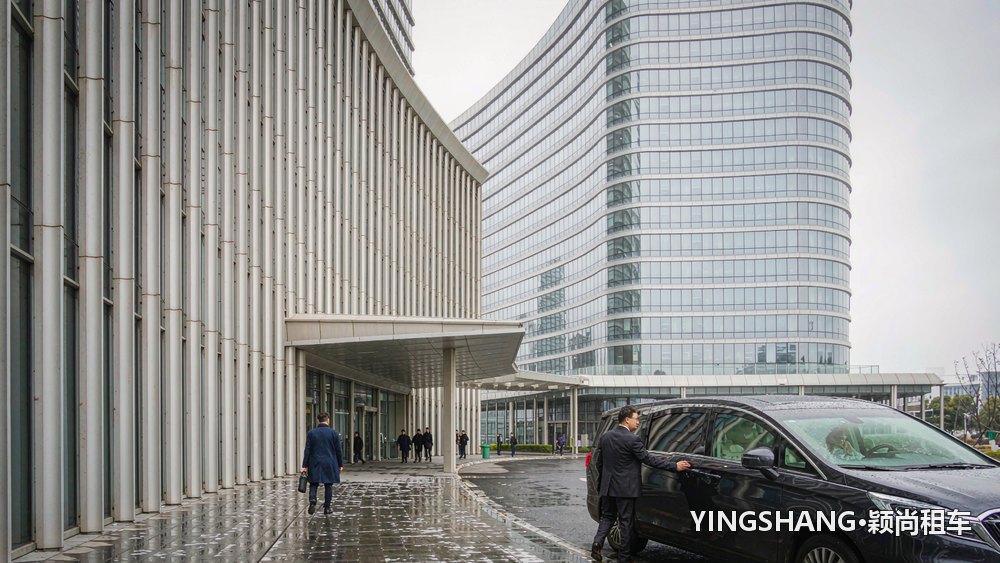

Most people assume hospitality transport in Hongkou is about getting a better car. One run into the North Bund corrects that: the difficulty is the last three hundred metres. The three zones behave completely differently — towers in the core have narrow garage ramps and visitor plate registration, the old streets around Sichuan Road North and Tilanqiao are narrow with one-way systems and few kerbside spaces, and the Dabaishu and Quyang area is wide but conflicts with elevated-road ramps. \\\\"Pick someone up in Hongkou\\\\" can mean three different routes. This is written as a checklist: how to split the zones, which crossing to take, five registration and kerb details, how to match the 22 models to the job, and four documents that settle who owns the car. It ends with a six-line hospitality card to print and keep in the vehicle. Our Hongkou coverage is on the Hongkou corporate transport page, the service format on corporate ground transport, and the fleet breakdown on our corporate vehicle pages.
1. Split the district first: three zones, three kerb conditions
Q1: How do the three North Bund zones differ, and why can one pickup sheet not cover them?
The core along East Daming Road, around the White Magnolia Plaza and the North Bund Raffles towers, is dense: garage ramps are narrow, visitor plates usually need registering in advance, and the main lobby frontage cannot take a long stop, so you need to know where the short-term bay is. The old streets around Sichuan Road North and Tilanqiao are narrow with one-way systems and few spaces; for an old client or a nearby institution, put the drop-off at a junction or a designated car park and let the guest walk fifty metres rather than sit in a one-way street holding up a queue. Dabaishu and Quyang are wide with easier parking, but the peak conflict is with elevated-road ramps, so the time window matters more than the kerb. One shared pickup sheet for all three is the standard error in Hongkou: route, registration method and waiting position differ every time.
2. Three crossings and one elevated route: choosing at peak
Q2: Which river crossing should you take, and when does the peak actually bite?
Xinjian Road Tunnel is closest to the core and links toward Lujiazui; between 07:30 and 09:00 the pressure runs from Pudong into Puxi, so going out is smoother than coming back — allow for the return. The Bund Tunnel connects to Yan\\\\'an East Road and the north-south elevated route, which suits pickups arriving from People\\\\'s Square and Huangpu, though the tunnel mouth queues, more so in rain. Dalian Road Tunnel serves Yangpu and Zhoujiazui Road and is the steadiest way in from the north-east, avoiding a loop through the core. One elevated route is worth remembering: since the North Horizontal Channel opened, running west from Hongkou toward Jing\\\\'an and Changning is much faster than surface roads, which is a good reason to re-plan cross-district hospitality routes once. Allowance rule: multiply the map time by 1.3 within the district and 1.5 across the river, then add five minutes for the kerb. Airport and rail pickups are calculated separately by terminal and luggage.
3. Five registration and kerbside details
Q3: What are the five registration and kerbside details?
One, plate registration: most North Bund towers want visitor plates in advance, usually by 17:00 the previous working day, to the property contact — keep a screenshot of the confirmation, because same-day requests are refused at the barrier while your guest is on their third phone call. Two, write the drop-off down to the door: \\\\"main lobby, East Daming Road\\\\" rather than \\\\"the North Bund tower\\\\". Three, driver presentation and cabin: dark suit or shirt, gloves according to the occasion, water, tissues, umbrella and charging cable reset ten minutes before the pickup. Four, the waiting position: finance meetings overrun, so ask in advance which exit the party will use and park where the car can be at the door within three minutes instead of queueing at the main entrance. Five, one sheet of paper in the driver\\\\'s hand: guest name, phone, flight or meeting time, next stop — so nobody has to call the office when the guest asks where they are going next.
4. Matching the mix: 22 models, 7 to 53 seats, garage height first
Q4: How do you choose the vehicle, and why does garage height override the choice?
The fleet runs 22 models across 7 to 53 seats. One party of one to four with luggage takes a seven-seater — a GL8 or V-Class class vehicle, easy on garage height and easy to board. Two parties or a group with accompanying staff take a nine-seater. Teams of ten to twenty-two take a Coaster in 11, 15, 19 or 22 seats, and conferences or staff events take 33 to 53 seats. Choose on three things: headcount, number of cases, and the garage height at the drop-off. The third gets forgotten, and some older North Bund buildings have clearance under two metres, so a high-roof vehicle simply cannot go down — the drop-off moves to the street, where you cannot wait long. Ask the property one question before assigning: what is the garage clearance, and may visitor cars enter? That one question prevents a vehicle swap in the middle of a reception.
5. Four documents: ownership, cover, dispatch, payee
Q5: Which four documents separate an owned fleet from brokered cars?
The registration document, to see whether the vehicle is registered in the contracting company\\\\'s name. The insurance policy, to see whether the policyholder on both compulsory and commercial cover is that company, with policy numbers and dates noted. Dispatch: whether there is a local dispatch centre and how fast a changed drop-off can actually be covered. And consistency across contract, invoice and payee — who signs, who invoices, who receives the money. Four checks and the difference between an owned fleet and brokered supply is clear. None of them requires extra material from the supplier; all four are documents you should see when signing anyway. If a supplier circles around these four, the answer is already visible. File the copies with the transport records so that a renewal or a supplier switch starts from evidence rather than another round of site visits.
6. The Hongkou hospitality card, six lines
| Zone | Roads and buildings | Kerb conditions | Vehicle | Do in advance |
|---|---|---|---|---|
| North Bund core | East Daming Road, White Magnolia, Raffles | Narrow ramps, no long stop at main door | Seven-seater, nine as backup | Plate registration + short-term bay |
| Sichuan Rd N / Tilanqiao | Sichuan Road North, Tilanqiao | Narrow, one-way, few spaces | Seven-seater | Drop-off at junction or car park |
| Dabaishu / Quyang | Quyang Road, Dabaishu parks | Wide, but ramp conflict at peak | Seven or nine seats | Avoid peak ramp windows |
| Cross-river runs | Xinjian Rd, Dalian Rd tunnels | Tunnel mouth queues | By headcount, allowance x1.5 | Work around the 07:30-09:00 flow |
| Teams and conferences | Park conference centres, hotels | Group drop-off and holding space | Coaster 11-22, coach 33-53 | Walk the drop-off route first |
| Four checks | — | — | — | Registration, policy, dispatch, payee |
YINGSHANG Car Rental Tip:Search YINGSHANG Car Rental on WeChat or call 133-7002-5039 for a blank six-column change form and a copy of the Hongkou hospitality card; visits to our Songjiang yard at 1468 Laiyin Road, or to the dispatch centre at 655 Jiujing Road, can be arranged in advance.
District Coverage
Corporate shuttle, business car rental and long-term hire in these districts.
About Yingshang: established in 2012, 285 self-owned Shanghai-plate vehicles across 22 models, 7–53 seats, with full-time drivers and corporate billing. Call 133-7002-5039 or visit 1468 Laiyin Road, Songjiang, Shanghai.
District Coverage
Corporate shuttle, business car rental and long-term hire in these districts.