2026-10-22 · Seven-Seat Reception
How to Configure a Seven-Seat Vehicle for Corporate Client Reception
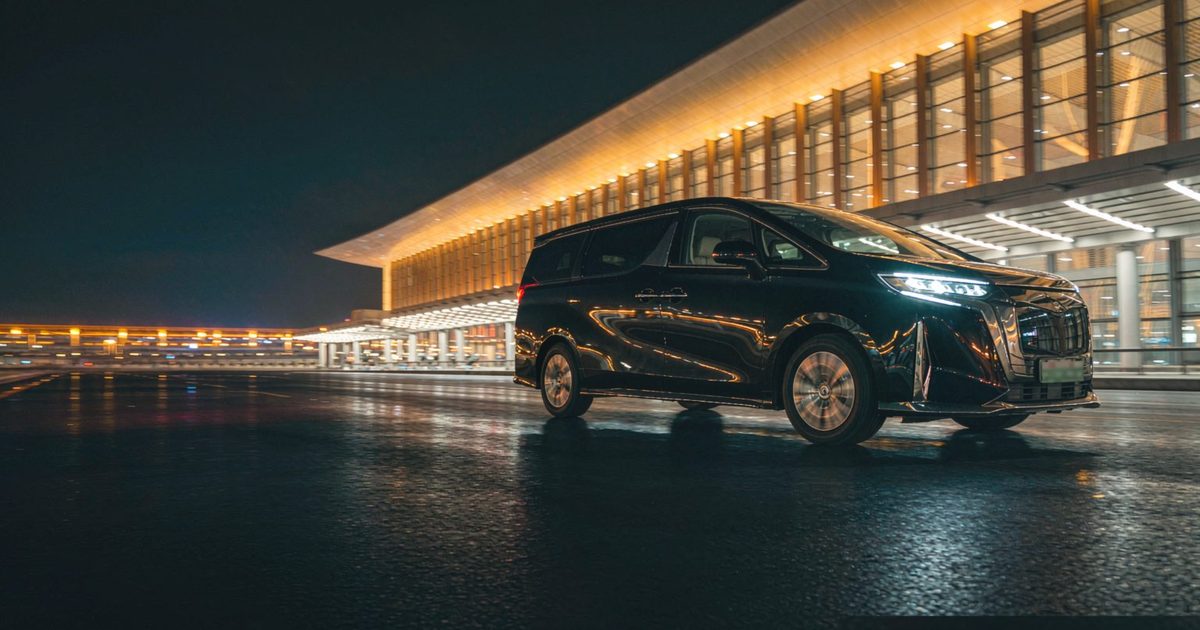
Corporate reception fails on details rather than on vehicles: a guest circling the arrivals hall, luggage that will not fit, bags loaded and unloaded at four stops, two extra accompanying staff and one seat short. Nearly all of it can be predicted at the planning stage, provided reception transport is treated as a process rather than a car assignment. The seven-seat business vehicle is the workhorse of client reception, and the six questions below break the job into stages an administrator can follow directly. For the full allocation picture across commuting and reception, see our seven-seat shuttle and reception configuration; for one of the most frequently assigned models, refer to the Buick GL8 business vehicle page.
1. Matching the job and timing airport runs
Q1: Which reception tasks suit a seven-seater, and when should the vehicle class move up or down?
Judge on passengers and luggage. For passenger comfort, one guest with two or three colleagues plus one or two of your own staff, four to six people in total, is the sweet spot: the two second-row seats carry the principal guest, the third row takes accompanying staff, and there is room to converse without crowding. Step down when a single guest arrives without bulky luggage, where a quiet sedan is smoother and a seven-seater looks like a convoy of one. Step up when guests number four to six on their own, or passengers plus luggage exceed the seven-seat envelope, because a nine-seat van beats an overstuffed MPV every time. Luggage is the dimension most often missed: two 24-inch suitcases with day bags fit easily, but four large suitcases usually require folding the third row, which silently converts the vehicle into a four-seater. Confirm headcount, bag count and sizes before choosing the vehicle, never after.
Q2: How should arrival and departure runs be arranged?
An arrival run carries two extra tasks that a departure run does not: flight tracking and a waiting rule. Track the flight before the vehicle leaves; on delay, the pickup shifts to actual landing time, with the driver at the arrivals hall about forty minutes ahead of the expected exit. International arrivals vary widely with immigration queues, so plan forty to sixty minutes after touchdown. Put waiting in writing: how a wait beyond the agreed window is recorded, whether it appears on the trip sheet or is billed separately, confirmed in advance so neither the driver nor the guest has to negotiate at the kerb. Departures are a back-calculation exercise: for a domestic flight, arrive at the terminal two hours before takeoff, add a thirty-minute traffic buffer, and work backwards to the departure time from the office or hotel, adding fifteen per cent during the morning peak or rain. When several guests leave for two different airports, take two vehicles rather than gambling one car between terminals. Agree these terms once, in writing, and every later run inherits them.
2. Multi-stop itineraries and seating
Q3: On a four-stop day, how should luggage and seating be organised?
The first rule of a multi-stop day is that luggage never leaves the vehicle: once loaded in the morning, bags stay aboard with one member of your team or the driver keeping an eye on them, instead of being hauled in and out at every call. That rule forces the capacity question at booking time, because four guests with four large suitcases means the third row carries bags, the usable cabin is four seats, and accompanying staff must travel separately or the vehicle class must rise. On seating, guests normally keep the second-row right seat for the whole day, since it is the easiest place to step out kerbside; your lead escort takes the front passenger seat to handle navigation and coordination, and nobody shuffles seats between stops. Confirm the dwell time at each stop in advance, plan driving legs at actual navigation time plus a fifteen per cent margin, and issue a stop list with addresses, expected arrival and contact numbers to both driver and escort. Mark which stops can reorder freely and which carry hard times such as a meeting start or a flight, so a mid-day change protects the immovable items first.
Q4: Where should the guest and the executive sit when they share the vehicle?
The standard business convention, with a hired driver, ranks the rear right seat first, then rear left, then the rear middle, with the front passenger seat reserved for your escort or interpreter; if your own executive drives personally to collect the guest, the front seat becomes the seat of honour instead. In practice, seven-seat vehicles have two independent second-row seats, so the principal guest takes second-row right, your senior host sits second-row left to hold the conversation, and accompanying staff use the third row. Two details matter more than the diagram: the driver or escort opens the door and the guest steps out first on arrival, and the tone of in-car conversation belongs to your host, with the driver not joining in. For foreign guests, confirm no-smoking preference and air-conditioning habits in advance, and send the day plan to their liaison the evening before. Put all of it in a reception note on the trip sheet and brief every driver who touches the job; the cardinal sin of reception work is a driver who learns the plan later than the guest.
3. Preparation and last-minute changes
Q5: How far should vehicle condition and supplies be prepared before a reception run?
Check the vehicle in four steps: exterior, washed with no conspicuous marks; interior, seats, mats and smell; functions, air conditioning, sliding doors, seat adjustment and charging points; and documents aboard, registration and insurance papers. The supplier completes these before dispatch and your team spot-checks, though a day-one or high-profile job justifies inspecting the vehicle the evening before. Supplies come in two grades: the base set is bottled water, tissues, charging cables in both common standards and an umbrella; the upgraded set adds wet wipes, mints and a company information folder. Agree who provides them, your side or the driver, so nothing is doubled or missing. Two small items prevent most embarrassment: set navigation volume and radio state before the guest boards, and check that the plate is clean and the boot is empty. For executive or foreign-guest jobs, raise the standard one notch and photograph the interior and exterior to the coordinator before departure; two minutes there beats discovering a problem at the kerb.
Q6: How do you absorb extra passengers or itinerary changes without losing composure?
Separate the two cases. Extra passengers before departure: recount people and bags, and if the total still fits the seven-seat envelope, rearrange the third row; if it does not, have the supplier send a second vehicle of the same class and run as a two-car convoy with agreed rendezvous points, which is why the reception plan should carry the dispatch desk line, not only the driver mobile. Extra passengers mid-journey join at the next stop; stopping on a motorway or arterial road to pick someone up is unsafe and improper. Changes of plan: a reordered stop is confirmed on the spot by your escort and relayed to the driver; a new destination, such as an added factory visit, gets a route-time check first, and you accept it only once the knock-on effect on hard times is clear, keeping buffer rather than racing a departure. Log every change on the trip sheet, close the day with the coordinator, and let the records feed the monthly reconciliation. The one question every reception review should answer: which fires were fought on the day, and how each gets pre-empted next time.
YINGSHANG Car Rental Tip: reception transport succeeds when it is boring: the vehicle class matched to headcount and luggage in advance, luggage that boards once in the morning, and a driver who has read the reception note before the guest has landed. YINGSHANG has operated in Shanghai since 2012 with 285 self-owned Shanghai-plate vehicles (no subcontracted or borrowed cars), an average business-vehicle age of 1.1 years, full-time drivers averaging eight years of experience, more than 500 corporate clients, and proper invoicing with account settlement. Service and billing terms can be confirmed in writing before the first trip.
Author: YINGSHANG Editorial Team
Reviewed: · Source: Shanghai Yingshang Car Rental Co., Ltd.
The YINGSHANG Editorial Team is the official content team of Shanghai Yingshang Car Rental, responsible for curating Shanghai charter, chauffeured rental, corporate shuttle and business travel content, and for verifying pricing and reviewing content.
Pricing, vehicle and service details in this article were reviewed and updated by the YINGSHANG Editorial Team on 2026-10-22. Charter prices fluctuate with the market and are subject to the day's quote; call 133-7002-5039 for the latest vehicles and rates.
District Coverage
Corporate shuttle, business car rental and long-term hire in these districts.