Transhipment from Shanghai: Hubs, Connections and Documents
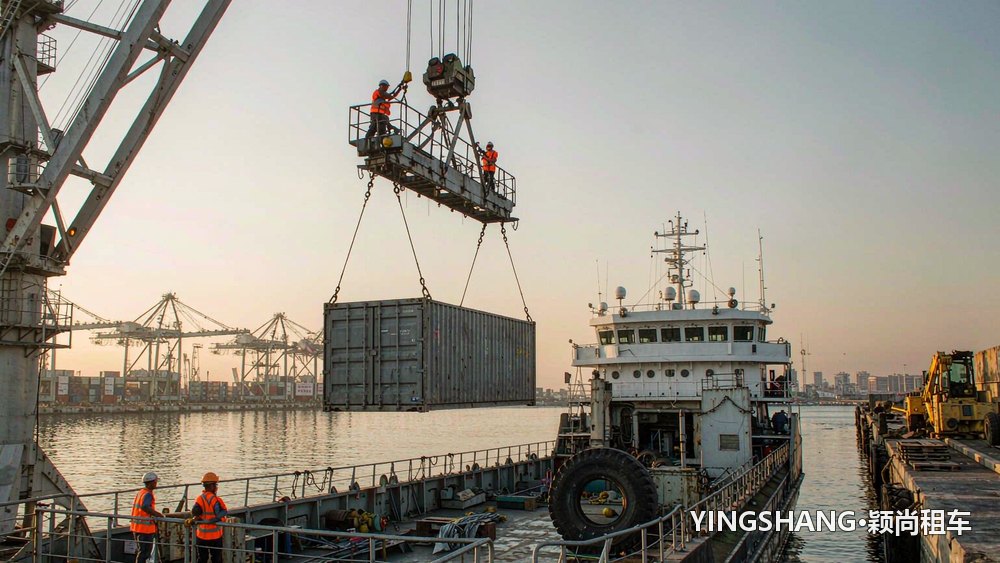
For sea freight out of Shanghai, direct is the default: one loading, one bill of lading, one party responsible, and a transit time you can calculate. Reality keeps interrupting. Direct space is gone in peak weeks, the destination is a feeder port, the shipment is a few cubic metres, or the carrier merges two services at short notice. The answer is usually transhipment through a hub such as Singapore, Busan or Port Klang, then an on-carrier to the destination. Shippers hear the word and think slow, then expensive. What actually deserves attention is the connection that has been added: whether enough buffer was left, whether the documents agree, and who owns the problem when they do not. Sailing time may grow by five to ten days; a badly planned connection can add three weeks, and a single document error can leave cargo stuck at destination. This article follows the order of arrangement: when transhipment makes sense, how to choose a hub, how much buffer to leave for the on-carrier, which documents must align, and how to handle the three common risks. Overall export services are described on the freight page, cut-off and haulage timing on trucking and terminal cut-off, and post-arrival collection on arrival clearance and pickup.
1. When should a shipment be transhipped, and when is it better to wait for a direct sailing?
Three cases favour transhipment. The destination is a feeder port served once every month or two, so waiting for direct costs far more than a connection. Direct space is unavailable in peak season while the contract date cannot move. Or the cargo is LCL, which is consolidated and deconsolidated at a hub anyway, so transhipment is simply part of the process. Two cases favour waiting. The cargo is sensitive to vibration, humidity or temperature, and every additional handling is additional risk. Or the letter of credit or contract restricts transhipment, so a bill of lading showing a transhipment clause will be rejected by the bank or the buyer. The test is plain: put the extra transit time and the wait for direct side by side as two numbers, then ask whether the extra handling is acceptable. Do not ask how many days the connection takes. Ask how many days from sailing at Shanghai to cargo available at destination, because those two numbers often differ by a factor of two.
2. How do you choose the hub, and on which criteria?
Four criteria, in order of weight. First, the frequency of on-carriers: a hub is a hub because several sailings a week leave for the same destination, which widens the connection window. Second, operational efficiency and congestion, since one hub may turn its yard quickly while another has vessels waiting at anchor all peak season. Third, whether the same carrier or alliance operates both legs, because a carrier transferring its own cargo usually avoids re-filing the manifest and issuing a new bill of lading. Fourth, the cost structure: a hub adds transhipment handling and on-carrier booking charges, and sometimes peak season surcharges, all of which should be quoted at booking rather than discovered on the invoice. In practice, Southeast and South Asian destinations often route through Singapore or Port Klang, Japan, Korea and the US West Coast through Busan, and European destinations are mostly direct or switch at a Mediterranean hub. Choose the sailing that connects, not the port with the best reputation.
3. How much buffer should be left for the on-carrier?
Start with the carrier minimum connection time, then add for your own cargo. Three to five days is common in the industry, but that is the operator floor, not your safety line. Add three things. Allowance for the first leg arriving late, since waiting at anchor for two or three days is normal in peak season. Time for customs and transit formalities, because a transit declaration at the hub needs a working day. And time for the consignee to be ready, since early arrival without cleared documents is still storage. Quote a range rather than a point, for example twenty-eight to thirty-five days combined, with the note that the on-carrier schedule governs. One detail is easily missed: free container time at the hub is often different from the load port, and whether the days spent waiting for the on-carrier count as usage should be confirmed at booking, or demurrage starts before the second leg has even loaded.
4. Which documents have to align for a transhipment?
Four places. The bill of lading: port of loading, port of discharge and port of transhipment must match the actual routing, because a bill showing direct carriage on a transhipped shipment is a documentary mismatch that surfaces badly in an inspection or a claim. The manifest: the first and second legs each carry one, and packages, gross weight, volume and marks must agree, with the carrier re-filing at the hub and the shipper confirming the data carried over. The transit declaration: some jurisdictions require a transhipment permit or transit entry at the hub, supported by invoice, packing list and certificate of origin, which should be prepared in advance. And the credit or contract terms: where transhipment is allowed, the bill may show a transhipment clause; where it is prohibited, the cargo must go direct or the credit must be amended first. The shipper action is simple. Once booking is confirmed, put first-leg vessel and voyage, on-carrier vessel and voyage, hub and estimated arrival into the notice sent to the consignee, and update it the moment any of the four changes.
5. How should the three most common risks be handled?
The first is dwell at the hub: the first leg arrives and the on-carrier does not connect. The action is to confirm that the second-leg space is confirmed rather than waitlisted, and to secure the free time at the hub at booking. The second is rolling, because in peak weeks on-carriers roll transit cargo before local cargo. The action is to require at least two alternative on-carrier sailings from the forwarder, and to agree in the contract how many days of delay are acceptable before the conversation starts. The third is damage, since every extra handling is another chance of impact or moisture. The action is stronger packing, because storage conditions at a hub are less controllable than at origin, cargo insurance covering the whole route, and photographs plus seal numbers at container loading as the basis for any claim. What the three have in common is that none of them happens in Shanghai, so no amount of domestic care compensates. Lock the connection at booking, insure the full route, keep the evidence.
6. How should transit time be explained to the customer so it does not need re-explaining?
Explain three segments, not one total. Shanghai to the hub, waiting at the hub for the on-carrier, and the on-carrier to destination. Split this way, the customer sees where the time goes and can locate a delay. Give ranges with nodes: twelve to fifteen days on the first leg, three to five days connecting, ten to twelve days on the second, twenty-eight to thirty-two in total, with the on-carrier schedule governing. Two habits are worth building. After each booking confirmation, send a routing card showing vessel and voyage, hub, estimated arrival and cut-off. And update the position every three days after the first leg sails, without waiting to be asked. Done consistently, expectations stay stable and not every delay is attributed to you. Quote a single figure of about a month instead, and the customer will ask once on each of those thirty days.
The cost of transhipment sits in the connection, not the sailing. Choose the hub by on-carrier frequency, leave buffer for the first leg, and control risk by confirming the second-leg space and insuring the whole route.
Author: YINGSHANG Editorial Team
Reviewed: · Source: Shanghai Yingshang Car Rental Co., Ltd.
The YINGSHANG Editorial Team is the official content team of Shanghai Yingshang Car Rental, responsible for curating international logistics, import customs clearance and supply chain content, and for reviewing published details.
Freight rates, service and process details in this article were reviewed and updated on 2026-11-02. International logistics prices fluctuate with the market and are subject to the day quote; call 189-1692-3020 for the latest plans and rates.