2026-10-10 · Charter Coordination
How Do You Coordinate Multi-Department Vehicle Use with a Corporate Charter in Shanghai? Demand Consolidation, Rostering Rules and Vehicle Turnaround
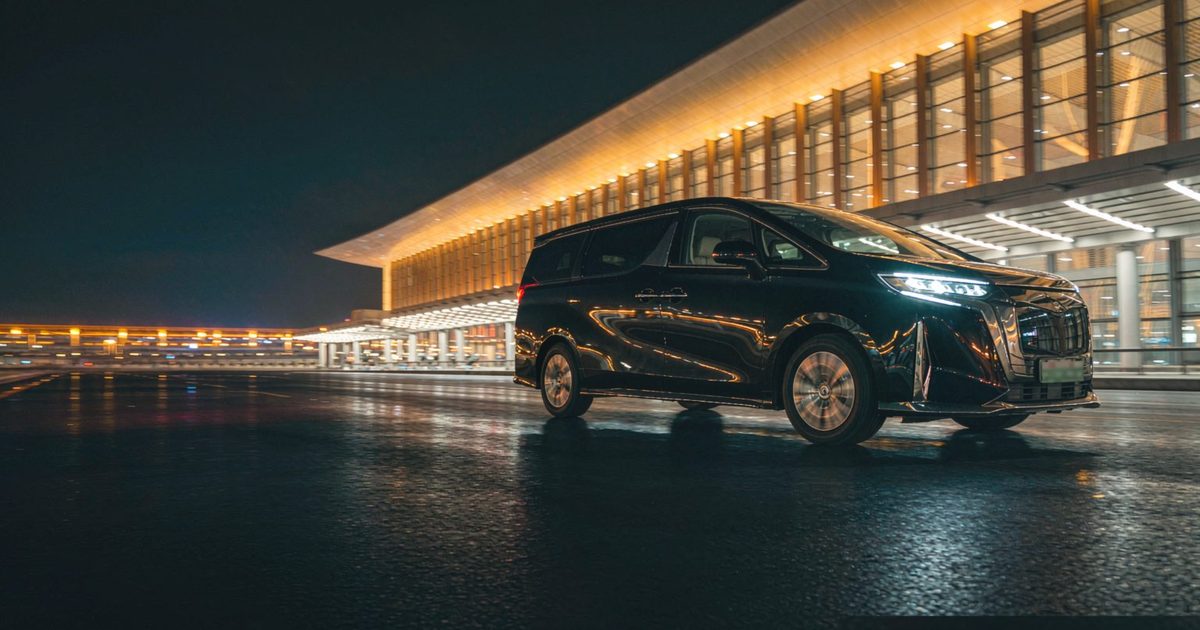
Seen from one desk, vehicle use is a booking question. Seen across a company, it is a question of allocating a limited number of vehicles and time windows to the trips that matter most. Letting departments arrange their own transport looks flexible at first and becomes unmanageable: demand fragments, service quality varies, and cost never lands on the department that caused it. Ten questions and answers set out how coordination works in practice - consolidating multi-department demand onto one form, setting a published priority rule for clashes, keeping vehicles and drivers consistent but rotated, arranging driver hours and vehicle turnaround, absorbing peaks, handling late changes through one contact, allocating cost by department, and reviewing monthly. Only general management method is covered; financial and employment specifics follow your responsible functions and the competent authorities.
1. Why Coordination Matters and How to Consolidate Demand
Q1: How does a coordinated corporate charter differ from departments booking their own vehicles?
Booking separately looks flexible in the short term and produces three problems over time. Demand is fragmented, so nobody has leverage on price; vehicle condition and driver quality vary from booking to booking; and the cost is scattered across departments, impossible to allocate. A coordinated charter consolidates company-wide demand under one service relationship: requirements pooled, vehicles and drivers kept consistent, costs allocated by department, and one point of contact when something goes wrong. The gain is not a cheaper individual trip but a vehicle programme that can be planned, reconciled and reviewed. Consolidation is not the same as uniformity, though. Occasional or unplanned trips can still be arranged ad hoc; the value of coordination shows up in frequent, predictable use.
Q2: How should multi-department demand be consolidated so nothing is missed?
Consolidation means one standard request form, not a list of verbal requests. Seven fields belong on it: requesting department and person; purpose, whether commuting, reception, conference or project; date and time window; origin, destination and any intermediate stops; number of passengers; whether loading or carrying is involved; and whether clients or guests are travelling. Miss any one of them and the scheduler has to go back and ask, and that round trip is where vehicles get dropped. Keep a weekly consolidation and a daily confirmation - the weekly sheet governs, the daily sheet handles change. Log routine demand and ad hoc demand separately: routine demand goes into the cycle plan, ad hoc demand goes through the add-on process, and mixing them distorts your view of capacity.
2. Priority Rules and Keeping Vehicles and Drivers Consistent
Q3: When requests clash, how should priority be set?
Set priority in writing before the vehicles are needed rather than adjudicating each clash, otherwise every department believes its own requirement is urgent. Four tiers work well. The first is fixed and immovable: airport pickups, client visits, tender or legal travel. The second carries external exposure: conferences, receptions and guest itineraries. The third can be adjusted internally: departmental travel and material movements. The fourth can be deferred: non-urgent internal trips. Within a tier, first come first served; across tiers, the administration or general affairs function decides, with one exception channel for genuine emergencies. Write the rule down and the conflict shifts from who can argue hardest to what the rule says, which takes much of the pressure off the person coordinating.
Q4: Should vehicles and drivers be kept fixed?
Aim for consistent but rotated. Consistent means frequent routes and recurring purposes draw on the same pool of vehicles and drivers, so the driver knows the route and the passengers, and punctuality and experience improve. Rotated means vehicles cycle through servicing on plan and drivers rotate according to hours and rest, so no single vehicle accumulates excessive mileage and no single driver runs tired. Note that consistent does not mean assigning vehicles to one department permanently. Once a vehicle belongs to a department, other departments lose access exactly when they need it. A workable structure is core departments on fixed allocation plus a shared pool for ad hoc and emergency cover.
3. Driver Hours and Vehicle Turnaround
Q5: How should driver hours be arranged so the arrangement holds up?
Three points. First, cap the continuous working day and leave a proper rest interval between the early run and the late run; do not give one driver both ends of the day. Second, settle how overtime and overnight trips are handled before they arise, and put long or overnight journeys into the roster in advance rather than notifying on the day. Third, hold relief drivers, in proportion to how heavily the vehicles are used, to absorb leave, late finishes and rotation for servicing. One point is often overlooked: waiting time at a conference, reception or exhibition is real working time, so plan rest and meal breaks into the roster rather than relying on hindsight. Employment and hours specifics should follow local requirements and your HR function’s judgement.
Q6: How do you schedule one vehicle across several departments without chaos?
Turnaround depends on two fixed blocks of time. One is handover and preparation, which decides whether the next passenger finds a clean, fuelled, sound vehicle. The other is travel buffer, which decides whether the next appointment starts on time. Write both into the sheet explicitly instead of assuming the next trip can start the moment the previous one ends. For vehicles used across days, record mileage and fuel at each handover and check anything carried in the vehicle. Where one vehicle covers commuting, reception and materials in a single day, order it as morning commute, daytime flexible work, evening commute, placing the least predictable task in the middle so change does not affect both ends.
4. Absorbing Peaks and Handling Late Changes
Q7: How should peak periods and sudden extra demand be absorbed?
Split it in two. Predictable peaks - monthly meetings, quarterly events, exhibitions, the days around public holidays - go into the cycle plan early and capacity is reserved. Unpredictable demand goes through the add-on process, with a named requester, a confirmation time and a defined response standard, so that no two departments book the same vehicle twice. One order must hold: add-on demand draws on the same standby capacity that covers emergencies, so commitments already made are served first and new demand second. Before a busy period, run a capacity check and list available vehicles, vehicles in servicing and vehicles held in reserve separately.
Q8: How should late changes be handled?
One rule: every change goes through a single named contact and is confirmed in writing. Extra passengers, changed times, a different route, a longer day and a cancelled trip each trigger a different response - an additional vehicle, a rebuilt timetable, re-confirmed charging basis, or released capacity - but there must be one entry point. Briefing drivers in parallel is the main source of on-site confusion, because drivers hold inconsistent information and the coordinator cannot see the real status. Agree a change cut-off, for example a set time on the day before travel: changes before it carry no extra cost, changes after it are handled on their actual impact. Putting that cut-off in writing is easier than negotiating it every time.
5. Allocating Cost by Department and Reviewing
Q9: How should costs be allocated and reconciled by department?
Break costs into three layers: the base hire covering vehicle and driver; the variable part for time and mileage beyond the allowance; and extras such as parking, access charges, and night or early-start supplements. Log every trip on the day it happens, recording department, date, vehicle, actual hours and mileage, and cost owner. Reconcile the monthly total by department against the settlement line by line before it goes to the books. Two benefits follow: cost lands on the department or project that caused it, so budgets and analysis rest on real data; and discrepancies surface in the same month rather than at quarter or year end. Invoicing and settlement specifics follow your finance lead and the competent tax authority.
Q10: How do you review and improve over time?
Hold a short monthly review and a fuller quarterly one. Four or five measures are enough: on-time performance, load factor or vehicle utilisation, the rate of late changes, how much demand was met, and the count of incidents or complaints. The review has to end in actions - merge runs where load factor stays low, tighten demand confirmation where one time window drives most late changes, investigate separately where one vehicle or driver accounts for a cluster of issues. The point is not to keep numbers but to turn how we solved it this time into the rule we follow next time. Whether vehicle management works shows up in two places: demand that is visible early, and recovery that is fast when something goes wrong.
YINGSHANG Car Rental Tip: multi-department vehicle coordination compresses into three moves - get demand onto one form, settle clashes by a published rule, and leave buffer in every turnaround. Facts you can verify: YINGSHANG has spent fourteen years in Shanghai, founded in 2012, with 285 company-owned Shanghai-plated vehicles registered to the company and no attached or pooled third-party vehicles, business vehicles averaging 1.1 years old, a range spanning saloons, seven-seat business vehicles, midibuses and coaches, drivers all full-time employees averaging over eight years’ driving experience, vehicles and drivers managed directly by the company, company account settlement with proper invoicing, and more than 500 corporate customers. Business address: 1468 Laiyin Road, Songjiang District, Shanghai; dispatch centre: Room 207, Building 3, 655 Jiujing Road, Songjiang District; website www.vvipzuche.com; open Monday to Sunday 08:00-22:00.
Author: YINGSHANG Editorial Team
Reviewed: · Source: Shanghai Yingshang Car Rental Co., Ltd.
The YINGSHANG Editorial Team is the official content team of Shanghai Yingshang Car Rental, responsible for curating Shanghai charter, chauffeured rental, corporate shuttle and business travel content, and for verifying pricing and reviewing content.
Pricing, vehicle and service details in this article were reviewed and updated by the YINGSHANG Editorial Team on 2026-10-10. Charter prices fluctuate with the market and are subject to the day's quote; call 133-7002-5039 for the latest vehicles and rates.
District Coverage
Corporate shuttle, business car rental and long-term hire in these districts.