2026-10-24 · Guest Reception
Hosting Overseas Guests with a Chauffeur-Driven Corporate Car
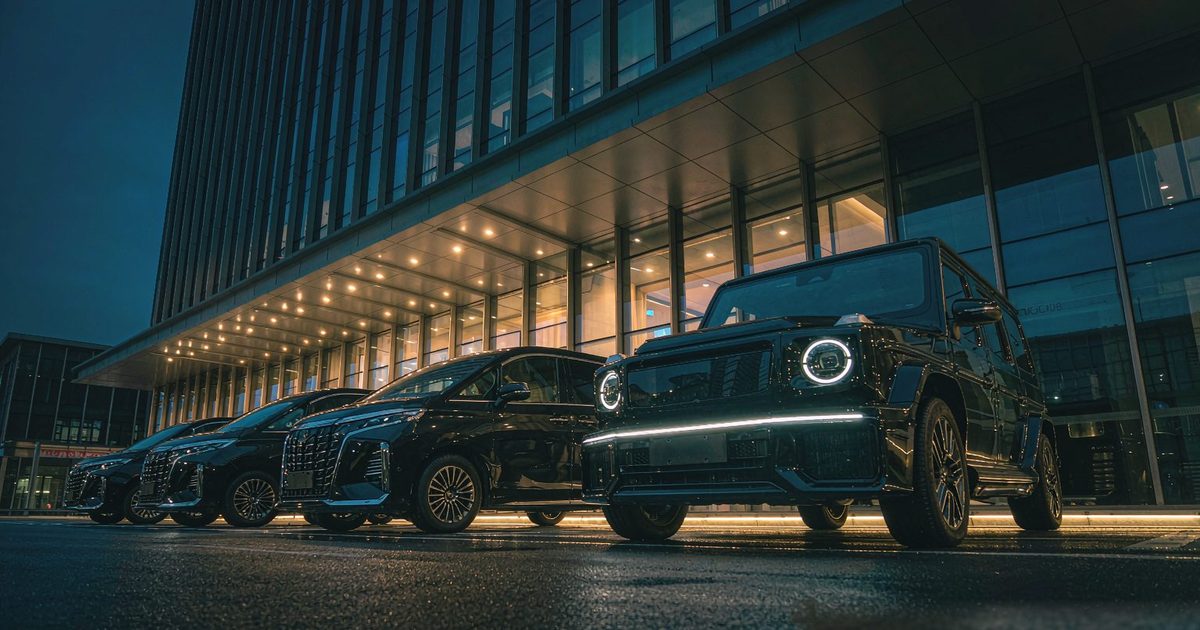
Overseas receptions rarely fail because of the vehicle. They fail on information and expectation: a name board that does not match the passport, an English itinerary that sends the guest to a different gate from the Chinese one the driver holds, a dietary restriction nobody confirmed with the restaurant, a principal car packed to the parcel shelf with the group luggage. None of that is solvable by a driver on the spot; all of it is solvable by briefing properly beforehand. Chauffeur-driven reception work is essentially the act of translating a reception standard into actions a driver and a dispatcher can execute. This article works through the before, during and after. The overall arrangement framework sits on the chauffeur-driven corporate vehicle arrangements page, and the principal car class on the Alphard executive MPV page.
1. Before: information granularity and briefing
Q1: How detailed must the itinerary be before an overseas guest arrives?
Detailed enough that someone unfamiliar with the city could execute it alone, which is one notch finer than a domestic reception. A full timeline: flight arrival with immigration and baggage time allowed for, since international arrivals often take forty to seventy minutes to clear; hotel check-in; the address and floor of each meeting; and the departure buffer for the return airport run, generally three hours for an international flight. Names and forms of address: full name, preferred title such as Mr, Ms or Dr and any honorific, plus the company and position exactly as printed on the business card, which is what goes on the name board rather than a self-made translation. Bilingual addresses: Chinese address, English address, a landmark reference and navigation coordinates, with a Chinese address card in the car for asking directions. A contact chain: company host, interpreter, driver and hotel concierge, four numbers. Special requirements: dietary restrictions, accessibility needs, entourage size and luggage count. Then produce two itineraries, Chinese for the driver and English for the guest, aligned line by line. Misalignment is the classic failure: the guest waits at the side entrance the English version describes while the car sits at the main gate.
Q2: What etiquette and discipline must be briefed to the driver?
Six items, written into the briefing sheet rather than spoken once. Presentation: dark suit or company uniform, gloves by company standard, neat hair, no overstated jewellery. The welcome: arrive fifteen minutes early, stand at the rear quarter of the vehicle rather than in front of it, take the luggage unless the guest insists otherwise, and check the cabin is tidy before opening the door. Address and small talk: surname plus title only, no questions about age, family, income or religious belief, and no sensitive topics unrelated to the visit; if the guest raises one, respond politely without probing. Cabin behaviour: no music unless asked, no personal calls, no joining the conversation, phone on silent when waiting. Driving style: smooth above all, no hard acceleration or braking, pulling away only once passengers are settled. Confidentiality: itinerary, guest identity and conversation stay private, and no guest contact details are left in the vehicle. Ask the driver to repeat the three most important items back; that beats reading the list aloud. Etiquette here is not performance, it is removing every small friction from the guest day.
2. On the road: language relays and differences
Q3: When languages do not match, how is the communication chain built?
Build three layers; driver fluency is not required. At the driver: a bilingual phrase card covering greeting, waiting and arrival, printed with Chinese, English and the driver number so a guest can point or photograph it, plus three fixed phrases the driver practises until clear. In the middle: one named host or interpreter stays reachable throughout, the driver calls that person for any change rather than approaching the guest, and the guest routes requests the same way, which removes the guesswork of two people using translation apps at each other. In the materials: itinerary, hotel address card and name board all bilingual, with key facts such as meeting time, plate number and host number posted in the guest channel in both languages. One detail is consistently underestimated: time commitments. "Ten minutes" spoken aloud is ambiguous; typing the actual clock time on a phone and showing it is not. The goal is not fluency, it is that no piece of information is dropped or misread.
Q4: How do dietary, scheduling and religious differences translate into the itinerary?
Three things asked in advance and scheduled in advance; left unasked, they become luck. Dietary: confirm restrictions through the host contact, covering halal, vegetarian, no pork or no beef, and alcohol, then select restaurants accordingly and mark it on the itinerary; drivers and escorts eat separately, not at the guest table, and do not hover while guests dine. Scheduling and prayer: some guests keep fixed prayer times and orientation needs, so reserve a twenty to thirty minute window in the day, check in advance whether a suitable space exists near the hotel or venue, and if not, arrange a quiet interval in a lounge; on long runs, meals and rest follow the guest habit rather than our own timetable being compressed. Courtesy detail: handshakes, card exchange and gift conventions vary by country, so the host prepares a one-page note and the driver only needs three rules, do not offer a hand first, do not offer gifts, do not ask personal questions. Compress the principle into a sentence: differences are handled by a sheet prepared beforehand, not by improvisation on the day, and the sheet must state who asks, what is asked, and where the answer is recorded.
3. After: records and review
Q5: With a large entourage and heavy luggage, how should vehicles be grouped?
Build a principal car plus support vehicle, rather than trying to fit everyone into one. The principal car is a premium MPV with independent second-row seats and dignified boarding, carrying the principal and the senior escort; the support vehicle is a seven- or nine-seat van holding the entourage and most of the luggage. Count luggage separately: a long-haul group of eight routinely brings ten to sixteen large cases plus cabin bags, so the principal car carries only hand luggage and anything valuable while everything else moves to the support vehicle, which prevents the open-door embarrassment of a packed boot. Above fifteen people, add the Coaster tier at 15 or 19 seats to the principal car, and in the convoy name a lead and a rear vehicle, with shared meeting points and a fixed boarding order. Two details belong in the written procedure: at the airport the support vehicle waits beyond the baggage hall exit while the principal car holds the formal welcome position; at the hotel the principal car drops first and the support vehicle follows, keeping the lobby frontage clear. Vehicle tiers and fleet structure are set out on the chauffeur-driven arrangements page, and the principal car class on the executive MPV page.
Q6: What records should be kept after the reception?
Four, and together they become the template for the next visit. The execution record: actual timeline against plan, changes made and how they were handled, with the delaying link named, whether immigration, check-in or traffic. The guest preference card: form of address, dietary restrictions, seating preference, working language, cabin temperature and music preferences, which is the most valuable asset in the file when the same guest returns. The issue list: what did not run smoothly and what changes next time, one line each, no generalities. Costs and receipts: tolls, parking, meals and lodging collected per trip and folded into the corporate account settlement. The four sit with the named host, maintained by one person and readable by several; anything touching guest identity or itinerary is handled under internal confidentiality rules, kept out of public documents and not forwarded in group chats. Done consistently, the second reception for the same guest takes about half the preparation and surfaces almost no new errors. The compounding return on guest reception lives entirely in the file.
YINGSHANG Car Rental Tip: overseas reception is won before arrival: bilingual itineraries aligned line by line, six etiquette rules briefed, a three-layer language relay, one sheet for diet and schedule, principal and support vehicles split, four records filed. The second visit starts half prepared. YINGSHANG Car Rental has operated in Shanghai since 2012 with 285 self-owned Shanghai-plate vehicles (no subcontracted fleets), a business fleet averaging 1.1 years old, full-time drivers with 8 years of average driving experience, and 500+ corporate clients served. Corporate accounts, official invoices and written service terms are supported.
Author: YINGSHANG Editorial Team
Reviewed: · Source: Shanghai Yingshang Car Rental Co., Ltd.
The YINGSHANG Editorial Team is the official content team of Shanghai Yingshang Car Rental, responsible for curating Shanghai charter, chauffeured rental, corporate shuttle and business travel content, and for verifying pricing and reviewing content.
Pricing, vehicle and service details in this article were reviewed and updated by the YINGSHANG Editorial Team on 2026-10-24. Charter prices fluctuate with the market and are subject to the day's quote; call 133-7002-5039 for the latest vehicles and rates.
District Coverage
Corporate shuttle, business car rental and long-term hire in these districts.