2026-10-20 · Seven-Seat Selection
How to Choose a Seven-Seat Business Vehicle in Shanghai
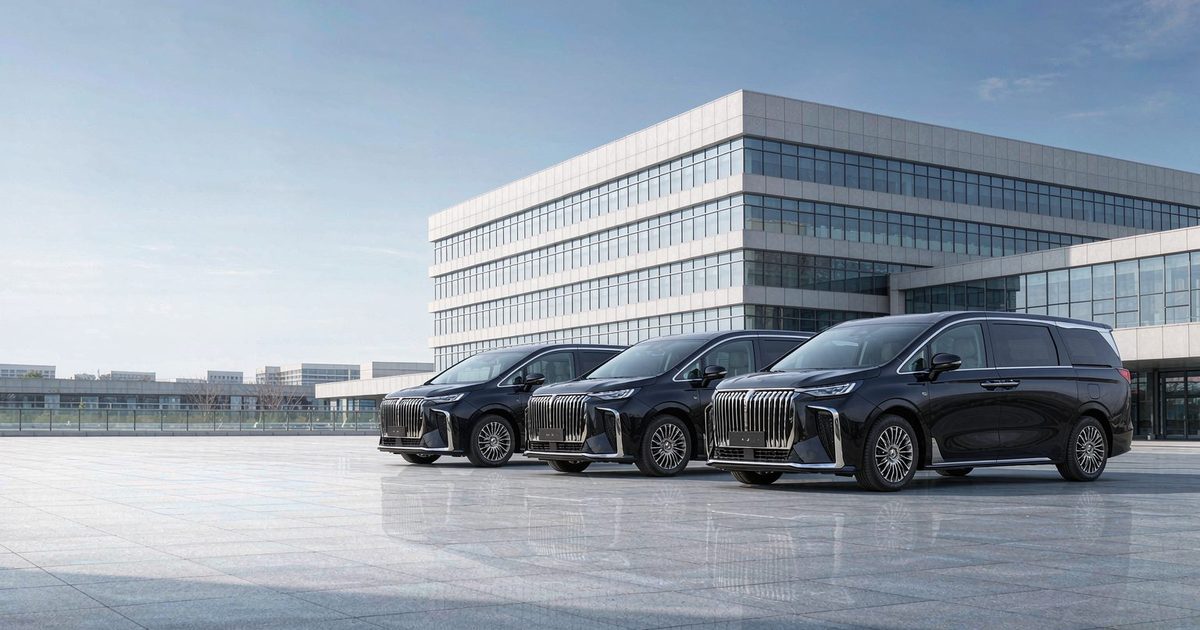
On almost any corporate vehicle list, a seven-seat business vehicle is a fixture. The role is broad: three colleagues to a client site in the morning, two overseas guests from Pudong Airport to Lujiazui at noon, a project team with equipment to a Songjiang plant in the evening. The trouble starts with one car doing all three jobs. If selection considered only seat count, the details get missed: door width, boot depth, whether the third row folds, whether the rear climate outlets can actually reach anyone. The result shows up on site, when the bags do not fit, or an older guest struggles to climb in, or the back row spends an hour in still air. Selection is not a comparison of specification sheets. It is taking the company real transport tasks apart and matching each one. The three lines below are passengers, luggage and trip length, ending with a checklist that can be applied directly to any corporate mobility or enterprise fleet decision.
1. Count Passengers and Bags First
Q1: What should a company quantify first when choosing a seven-seat vehicle?
Passenger trips and bag counts, not seat numbers. The cabin is nominally 2+2+3, but on most models the third row only works comfortably at the expense of boot space. In real corporate use the common pattern is four or five passengers with two or three large cases, which means the third row carries one person or folds in half. Build a simple three-month log: how many runs per week, how many people each time, how many bags (soft bags and hard cases recorded separately), and how long each one-way leg takes. It does not need minute precision, but it must cover the recurring cases. Most companies find their genuine high-frequency need is four to five people, two or three bags, and under forty minutes one way, rather than the full load they imagined. That finding decides standard or long wheelbase, and whether the third row is in regular use. If the log genuinely shows seven people plus luggage, seven seats is already at its limit and a nine-seat vehicle is the honest answer. Our seven-seat shuttle and reception planning page sets out those boundaries in more detail and works well as a self-check.
Q2: How can luggage capacity be judged without guesswork?
Set three reference cases and test with them in the car. Use a 28-inch hard case (roughly 78 by 52 by 30 centimetres), a 24-inch case (about 65 by 42 by 26) and a cabin bag (about 55 by 40 by 20). Ask the provider to load combinations with the third row in use and photograph the result. As a working guide, most large seven-seat MPVs take three to four 24-inch cases with the third row up, and two 28-inch plus two 24-inch with the third row half folded. If the dominant use is guest pickups, count one checked bag and one carry-on per person. If the use is samples and display material to a plant, length matters more than volume, because long equipment cases and banner tubes do not pack like suitcases. Two cautions: the under-floor storage is usually smaller than people assume, and luggage stacked above the seat backs is a visibility hazard rather than an acceptable arrangement. Recording reference cases and counts in the selection sheet is far more useful than memorising a litre figure.
2. Access and Comfort
Q3: Which access and comfort details actually matter?
Four: door type, floor height, second-row adjustment and third-row access. Twin powered sliding doors pay off in tight parking bays and in rain, because the driver does not have to walk around the car; a single sliding door leaves passengers waiting whenever the vehicle has parked the wrong way round. Floor height decides how hard boarding is, and business guests are often older or unfamiliar with the vehicle, so a lower step and a solid grab handle change the experience. The second row is the heart of a seven-seat car: on a model such as the Buick GL8 business vehicle, individual seats with fore-aft travel and reclining backs cut fatigue on longer runs, and some models swivel for a short meeting on board, though legroom after swivelling needs checking. Third-row access comes in two forms, a second row that tumbles forward, or a walk-through aisle. The first means moving seats for every boarding, which looks clumsy when guests are being collected; the second is kinder to older passengers. Ask for a live demonstration: a guest boards from the right, sits in the second row, and gets out, and count how many steps and how many seconds it takes.
Q4: How do requirements change with trip length?
Three bands, each adding requirements. Under forty minutes within the city, for example park to plant or hotel to exhibition hall, the priorities are boarding speed and how fast the air conditioning bites; seat softness matters less and the choice is widest. One to two hours within the city or to the near suburbs, such as downtown to Lingang or Hongqiao to Songjiang, brings insulation, ride comfort over broken surfaces and second-row legroom into play, along with charging points, which guests notice more than companies expect. Beyond two hours, intercity runs to Suzhou, Hangzhou or Nanjing, raise the bar: a second row with leg rests, cabin noise kept down, luggage that does not crowd the passengers, and usable storage and cup holders. This band also depends on the driver side, because long days need rotation or rest breaks rather than one person driving straight through. Map the company trip distribution and build the fleet mix from the proportions. Fitting every vehicle to the highest specification is neither the cheapest nor the easiest decision to defend internally.
3. Duty Differences and the Checklist
Q5: Can one vehicle cover both shuttle duty and reception?
It can, if the trade-offs are accepted and the acceptance standards are set separately. Shuttle work cares about punctuality, seat utilisation and boarding speed, and does not need luxury trim; it needs durable upholstery, solid handholds and clear stop information. Reception work cares about presence, quiet and detail: bodywork cleanliness, cabin smell, seat angle, driver appearance. When one car does both, the usual failure is cleanliness and interior wear, because high-frequency shuttle use grinds the seats and floor in a way guests see immediately. Three practical routes. Use the same car by time of day: the morning peak on shuttle, the working day on reception, with a cleaning and inspection slot in between. Set a dedicated pre-trip cleaning and check for reception tasks covering seat gaps, mats, glass and boot. Assign by task grade so that reception draws the newer, higher-trim vehicles. Where both duties are heavy, separation is calmer: standard vehicles for commuting, a small pool of higher-trim cars with named drivers for reception, which holds condition at a consistent level.
Q6: How should condition be verified before committing?
Turn verification into a four-step checklist and run it for every new or replacement vehicle. First, documents and history: registration, valid inspection and insurance, and an unbroken maintenance record, with copies or photographs kept by the company. Second, static condition: paint and panels, tread depth and manufacture dates on all four tyres, glass for chips or cracks, sliding doors for smooth operation without noise, seat rails and belts intact. Third, live functions: air conditioning and outlets, every window and sliding door, all lights including fog and indicators, reversing camera and sensors, charging sockets, each switched on once. Fourth, detail and hygiene: seat gaps, mats, boot, headliner and vents, which are exactly what guests sense first. Sign off jointly and give any defect a correction deadline, so it becomes the acceptance basis later. Keep a vehicle register with plate, model, age and named driver, so dispatch can match grade to task. One point specific to seven-seat vehicles: at full load they place more demand on tyres and brakes, so older units deserve a shorter inspection interval.
YINGSHANG Car Rental Tip: the order is counter-intuitive and more reliable: count people and bags, then look at doors and floor height, and only then look at the trim list, which by then has largely filtered itself.YINGSHANG has operated in Shanghai since 2012 with 285 self-owned Shanghai-plate vehicles (no outsourcing, no borrowed plates), business vehicles averaging 1.1 years old, full-time drivers averaging eight years behind the wheel, more than 500 corporate clients, and settlement through the company account with proper invoices.
Author: YINGSHANG Editorial Team
Reviewed: · Source: Shanghai Yingshang Car Rental Co., Ltd.
The YINGSHANG Editorial Team is the official content team of Shanghai Yingshang Car Rental, responsible for curating Shanghai charter, chauffeured rental, corporate shuttle and business travel content, and for verifying pricing and reviewing content.
Pricing, vehicle and service details in this article were reviewed and updated by the YINGSHANG Editorial Team on 2026-10-20. Charter prices fluctuate with the market and are subject to the day's quote; call 133-7002-5039 for the latest vehicles and rates.
District Coverage
Corporate shuttle, business car rental and long-term hire in these districts.