2026-10-23 · Vehicle Sizing
How to Choose Between Seven-Seat and Nine-Seat Vehicles
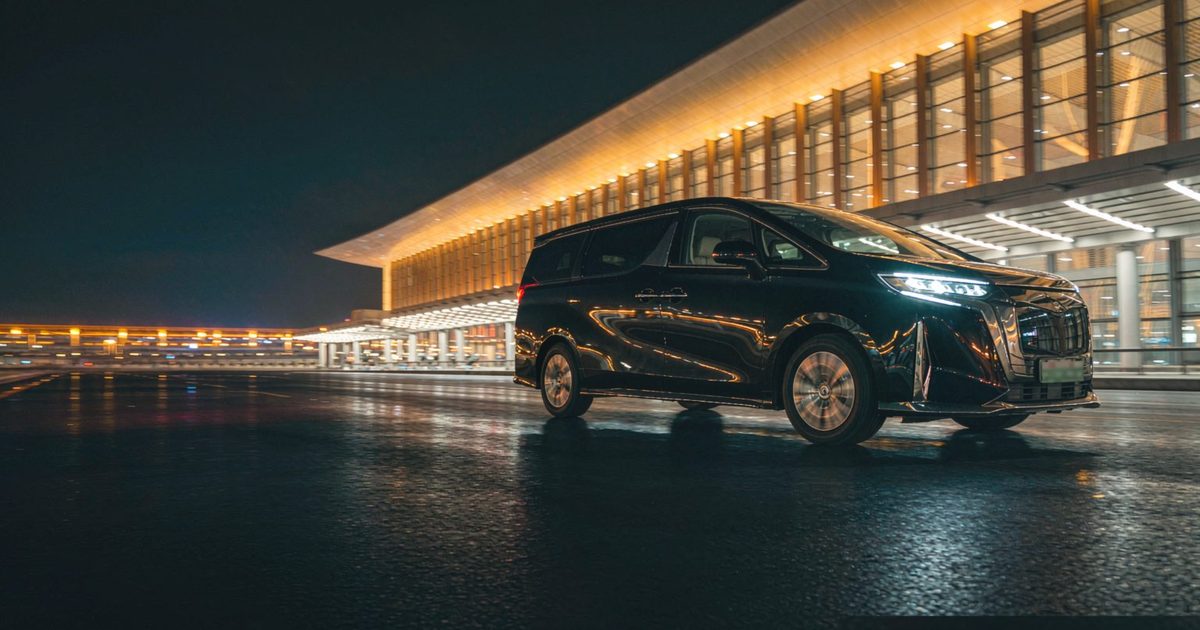
Few questions reach a corporate coordinator more often than this one: seven seats or nine? The difficulty is not the vehicles themselves but the way three variables pull at each other, headcount, luggage volume and trip structure. Get the order of judgement wrong and you end up with luggage that will not close, or a nine-seater running half empty. This article breaks the decision into six steps: seat thresholds, luggage arithmetic, one vehicle or two, ride quality, mixed scheduling, and the models behind each tier. For the full configuration picture of the seven-seat class, see the seven-seat shuttle and reception configuration page; the mainstream seven-seat model is described on the Buick GL8 business vehicle page, and the nine-seat tier on the Mercedes-Benz Sprinter nine-seat page.
1. Headcount and luggage thresholds
Q1: Where exactly does the line between seven and nine seats fall?
The line is not "will they physically fit" but "will they travel comfortably, with luggage aboard, without slowing the day down". A practical band: up to four passengers, a seven-seater has obvious headroom and flexible second- and third-row allocation. Five to six is the comfortable ceiling of a seven-seater, principal in the second row, entourage in the third, with conversation space and luggage both still workable. At seven passengers or more, move straight to a nine-seat vehicle; do not squeeze. The most miscalculated item is that a seven-seater with the third row folded for luggage loses three seats, so headcount and luggage compete for the same space. Two refinements: size to the usual headcount, not the maximum, or most trips will run half empty; and check whether anyone needs easier boarding, since a nine-seat van with a step and standing room treats older guests better. When in doubt, send headcount, luggage count and trip type to the dispatcher and let the fleet owner answer from real vehicles rather than spec sheets.
Q2: How much luggage space actually separates the two tiers, and how do you calculate it in advance?
The seven-seat arithmetic: with the boot intact, two or three 24-inch cases plus cabin bags are comfortable. Beyond three large cases the third row folds, and usable seating drops from six to four, so the real formula is headcount and luggage bidding for the same volume. The nine-seat arithmetic differs: beyond the rear bay there is usually side stowage or a foldable rear section, so five to seven large cases do not have to cost seats. That is the largest hidden gap between the tiers. Calculate in three steps: confirm headcount and each case size, since 20, 24 and 28 inches differ greatly; apply the rule that more than three large cases will claim the third row of a seven-seater; and add any shopping, exhibit or equipment loads, counting each as one large case. For multi-day trips, count luggage as permanently aboard rather than loaded once at the airport.
2. Trip structure and ride quality
Q3: When is it better to split into two seven-seaters rather than take one nine-seater?
Three situations favour splitting. Staggered timing: leadership leaves early, support staff follow two hours later, and two seven-seaters each follow their own agenda while a single nine-seater must wait for everyone. Separated movement: when principals and accompanying staff should ride and talk separately, or drop points differ, one group to the airport, the other to the hotel. Redundancy: on an important itinerary two vehicles back each other up; a single nine-seater has no spare. Conversely, three situations favour one nine-seater: six to eight people moving together all day, where two vehicles mean a second driver, a second coordination thread and split arrivals; heavy luggage staying with the vehicle for days; and itineraries through narrow streets or tight parking, where one parking spot beats two. The governing test is whether the trip is one organism: same rhythm, same movement, take one larger vehicle; different rhythms or routes, split into smaller ones.
Q4: How do the two tiers differ in ride quality and boarding?
Three felt differences matter. Boarding: seven-seat MPVs use sliding doors and a low floor, and third-row occupants climb in and out without drama; nine-seat vans use a door step with standing room inside, steadier for older passengers, though kerbside stops need more space for the door. Seating posture: the independent second-row seats of a good seven-seater usually beat a nine-seat van shared-bench layout for the principal, while the nine-seater wins on per-person space over long hours. Conversation: in a seven-seater, front and rear rows talk without raising voices, which suits discussing business en route; in a nine-seater the cabin is long, formal conversation waits for a stop. Trip length can flip the verdict: under two hours, the seven-seater briskness pays; beyond three hours, the nine-seater space and freedom to stretch start to dominate. Put these three against the seat thresholds and the choice usually makes itself.
3. Mixed scheduling and models
Q5: When a team runs a mixed convoy, how should it be scheduled?
The core is fixed pairing, one voice, one meeting point. Fixed pairing: assign who rides in which vehicle on day one and keep it for the whole trip, so nobody re-forms groups every morning; name a lead passenger per vehicle, usually in the first car, to count heads and relay information. One voice: both drivers take direction from a single company coordinator, never from two parallel channels; the vehicles stay in contact by group chat or phone, the lead car setting pace and the rear car sweeping. One meeting point: both vehicles share the same hotel, venue and restaurant kerbside points, confirmed a day ahead, so the convoy never splits between two gates. Sequence the timing: at gatherings the lead car arrives first and the second within three minutes; on departure the rear car leaves first and the lead follows, so nobody is left behind. Half a page of convoy rules attached to the itinerary outperforms any amount of on-the-spot shouting.
Q6: Which models sit behind each tier in a real fleet?
Map the tiers to actual vehicles. The seven-seat tier is led by the Buick GL8 class of mature business MPVs, with independent second-row seats and the best balance of luggage and passengers, the most versatile single tier in corporate work, covering routine reception, small-team commuting and airport runs; above it sit the Mercedes-Benz V-Class and Alphard class of premium MPVs where ride quality matters more. The nine-seat tier corresponds to the Mercedes-Benz Sprinter nine-seat class of vans, whose advantage is elasticity of headcount and luggage, suited to six-to-eight-person groups travelling together with heavier bags, or as a link in a convoy. A practical corporate structure: hold the seven-seat class as the default and the nine-seat as surge capacity, fixed commutes and routine reception on the former, peak seasons, offsites and heavy-luggage trips on the latter, both dispatched by the same operator so upgrades and downgrades stay a phone call away. And whatever the tier, send headcount, luggage and itinerary to the dispatcher before booking, the cheapest and least error-prone step in the whole decision.
YINGSHANG Car Rental Tip: sizing a vehicle is three lines of arithmetic, not a preference: usual headcount, case count by size, and whether the trip moves as one group, send them to the dispatcher and the seven-versus-nine question answers itself. YINGSHANG Car Rental has operated in Shanghai since 2012 with 285 self-owned Shanghai-plate vehicles (no subcontracted fleets), a business fleet averaging 1.1 years old, full-time drivers with 8 years of average driving experience, and 500+ corporate clients served. Corporate accounts, official invoices and written service terms are supported.
Author: YINGSHANG Editorial Team
Reviewed: · Source: Shanghai Yingshang Car Rental Co., Ltd.
The YINGSHANG Editorial Team is the official content team of Shanghai Yingshang Car Rental, responsible for curating Shanghai charter, chauffeured rental, corporate shuttle and business travel content, and for verifying pricing and reviewing content.
Pricing, vehicle and service details in this article were reviewed and updated by the YINGSHANG Editorial Team on 2026-10-23. Charter prices fluctuate with the market and are subject to the day's quote; call 133-7002-5039 for the latest vehicles and rates.
District Coverage
Corporate shuttle, business car rental and long-term hire in these districts.